
 Turkish

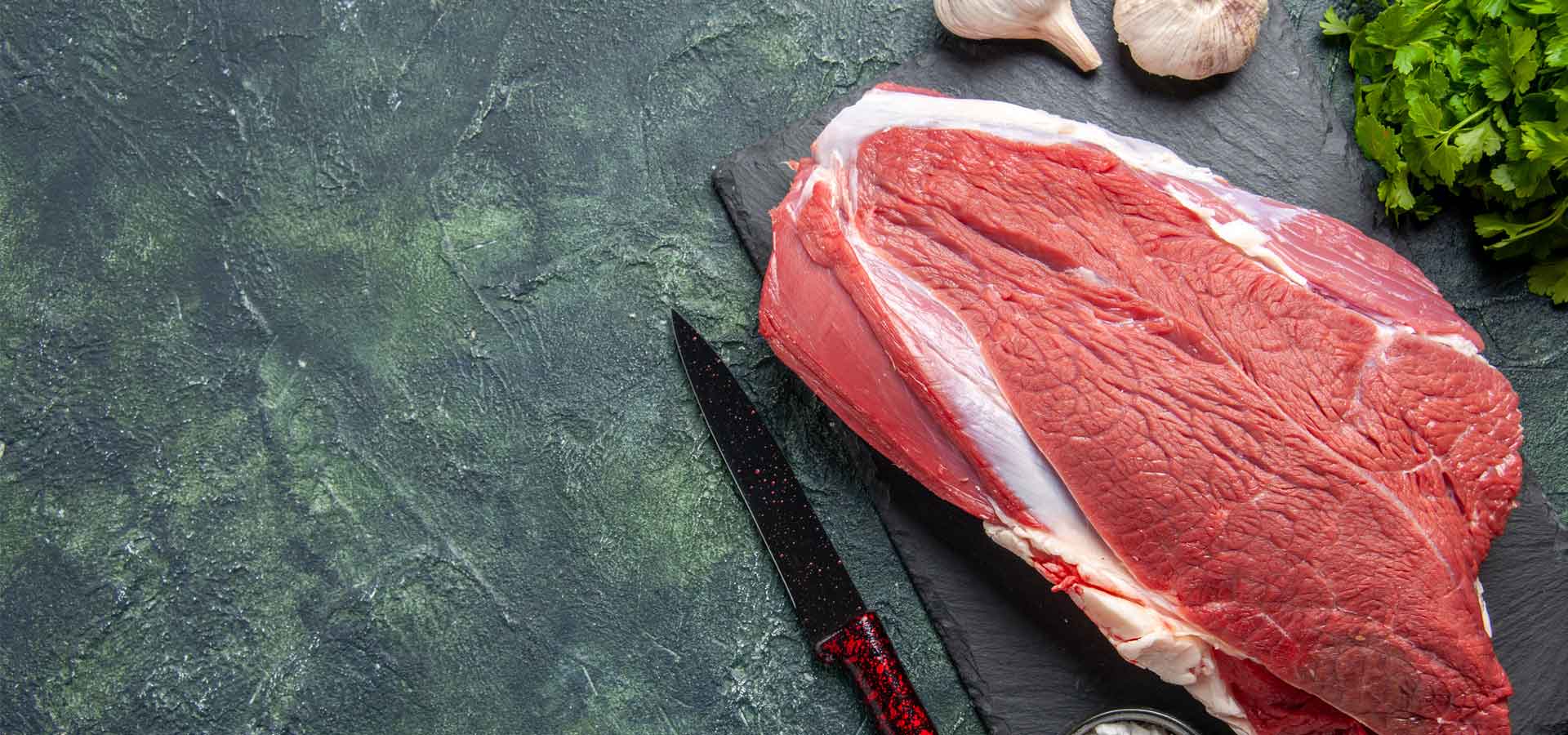
Correct Storage and Preparation of Meat in Professional Kitchens
The quality of meat used in a professional kitchen is not determined solely at the point of purchase. The entire process—from the procurement of the meat to its arrival in the kitchen, storage, preparation, and the final stages prior to cooking—directly impacts the resulting flavor. For this reason, for restaurants, hotels, steakhouses, butcher shops, and other professional kitchens, preserving and preparing the selected product under the right conditions is of as great importance as choosing quality meat.
Especially in high-volume operations, meat management is not just a part of the kitchen operation. It is also one of the fundamental elements of cost control, product consistency, and customer satisfaction. Wholesale meat purchased from the right supplier may fail to deliver the expected quality if it is not stored under appropriate conditions. Furthermore, incorrect portioning, excessive holding times, or failing to prepare the product according to its intended use can also generate unnecessary costs for businesses.
Therefore, the journey of meat in professional kitchens must be evaluated as a whole.
Where Does the Process of Preserving Meat Quality Begin?
Preserving the quality of meat should be addressed not when the product reaches the kitchen, but in a controlled procurement process that begins beforehand. Numerous stages—from the rearing conditions of the animal to slaughtering and butchering, packaging to the cold chain—affect the final quality of the product.
Therefore, it is not a correct approach for businesses to choose wholesale meat based solely on price. The standard of the product, continuity of supply, cutting method, packaging technique, and delivery conditions must also be a part of the purchasing decision.
For instance, the product needed by a business operating under a steakhouse concept may not be the same as the product required by a hotel engaged in high-volume catering. While ribeye portioned into specific weights is important for one establishment, another business may utilize different cuts of beef or lamb in higher quantities.
At this point, wholesale specialty meat solutions can provide a significant operational advantage to businesses. Preparing the product in a way that matches the establishment's menu, portions, and kitchen system helps maintain standards while reducing the workload of the kitchen staff.
Why Are Storage Conditions So Important?
Due to their structure, meat products are highly sensitive to temperature fluctuations. Therefore, the storage conditions applied after delivery play a critical role in preserving product quality.
Instead of haphazardly storing products after receipt in professional kitchens, establishments must have their own cold storage procedures. Inspecting products during delivery, storing them under appropriate temperature conditions, and organizing them according to the usage plan are fundamental steps of the operation.
Failing to track daily product movement, especially in busy restaurants, can cause certain products to be held longer than necessary. This situation can lead to both product loss and increased operating costs.
This is where the importance of working with a reliable meat supplier becomes apparent once again. The supplier must not only provide the product, but also offer a system that ensures the product reaches the business in a safe and controlled manner.
Not Every Meat Is Prepared the Same Way
One of the most significant mistakes made in professional kitchens is evaluating different meat groups and different cuts with the same preparation method.
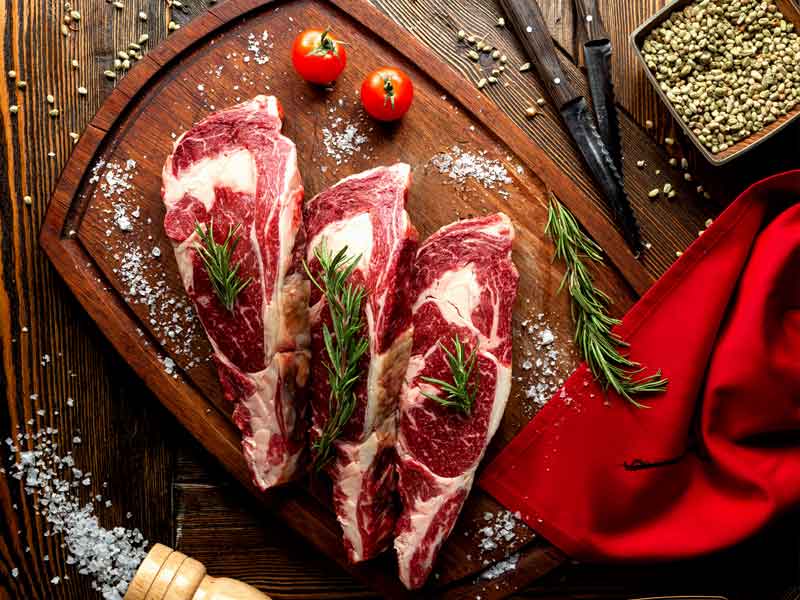
Just as the usage areas of beef and lamb are different, products obtained from different parts of the beef also have their own unique characteristics. For example, ribeye, striploin, Dallas steak, or different lamb products differ from each other in terms of fat ratio, fiber structure, intended use, and cooking method.
Therefore, how the product will be used on the menu must be determined in advance.
For a steakhouse, a high-quality "Çıralı" Ribeye can be one of the core items on the menu. Conversely, for a different restaurant, a lamb shoulder, lamb leg, or another cut might be more appropriate. The primary goal here is to utilize each product in accordance with its unique character.
A good meat supplier must also understand this need of the business, becoming a solution partner in selecting the right product rather than just a company that delivers goods.
Portioning Affects Cost as Much as Flavor
One of the important stages of meat preparation in professional kitchens is portioning.
If the same product on a restaurant's menu is presented to each customer in different weights, it can become difficult for the business to track its actual product cost. As a result, a gap can form between the menu pricing and the actual cost.
Thanks to standardized portioning, the amount of meat used in each plate can be kept under control. This allows the kitchen team to work more systematically while making procurement and inventory planning more predictable.
At this point, the concept of valuable meat should not be evaluated merely as the product having a high price. Valuable meat is the product that offers the business the quality suited to its intended use, accurate portionability, and the advantage of a sustainable supply all together.
The true value of a product for a business is not limited to its purchase price. The amount of usable product, the yield/waste rate, the portion standard, and the customer satisfaction it generates on the menu must also be evaluated.
The Process Becomes Even More Critical with Aged Meats
The aging of meat is an important preparation process, especially for premium restaurants and steakhouse operations.
Businesses that purchase wholesale aged meat can benefit from the advantages brought by a controlled aging process. Especially for meats matured using the dry-age method, temperature, humidity, and airflow must be managed in a controlled manner. Since this process requires professional equipment and experience, it may not always be efficient for every business to carry it out in-house.
Therefore, wholesale aged products procured ready-to-use from a professional supplier can both reduce the operational burden on businesses and help them establish a more consistent product standard on their menus.
The same applies to wholesale dry-cured meat products. The production of dry-cured meat does not merely consist of letting the meat rest for a certain period. It requires controlled conditions, an appropriate production process, and hygiene standards.
Wholesale dry-cured meat, used especially in charcuterie products, starter platters, gourmet sandwiches, and various menu applications, is one of the options that can increase the product variety of professional kitchens.
Quality Meat Gains Value with the Right Kitchen Operation
Even if a business purchases the finest product, it may not achieve the expected result if the product is not prepared correctly.
Therefore, quality meat and a quality kitchen operation cannot be considered separately from one another.
The meat must be prepared correctly prior to use, properly cut and portioned, its intended use on the menu must be determined, and the cooking method must be chosen to match the product.
For instance, the cooking method for a product with a high fat content and a specific fiber structure may not be the same as that for a product with different characteristics. The chef knowing the character of the product is important for both flavor and product efficiency.
This is where the concept of valuable meat emerges once again. To bring out the value of a premium product, a professional approach is required not only at the purchasing stage but in the kitchen as well.
A Reliable Supplier Is a Part of the Operation
The success of professional kitchens does not depend solely on the skill of the kitchen team. Every link in the supply chain must function correctly.
For a business, a reliable meat supplier is a business partner that can provide the required product at the right time, in the right quantity, and within the designated quality standard.
Product continuity becomes critical, especially during peak seasons or in restaurants operating at high customer capacities. Delays that may occur in procurement can lead to removing items from the menu, using alternative products, or negatively affecting the customer experience.
Therefore, when purchasing wholesale meat, one should look not only at the price of the product, but also at the operational strength of the supplier.
While ALP-ET has been operating in the meat sector since 1995, it positions quality, reliability, customer satisfaction, and sustainability among its core values. It is stated that production is carried out in farms located in Afyon, Balıkesir, and Sakarya under the supervision of veterinarians, and services are provided with a logistics infrastructure targeting the Marmara, Aegean, and Mediterranean regions.
The Establishment's Need Must Be the Deciding Factor in Meat Selection
Every restaurant's menu, customer profile, and daily consumption volume are different. Therefore, a single product or a single supply model may not be ideal for all establishments.
While "Çıralı" Ribeye is an important product for one establishment, for another business, different beef products or lamb products may have a higher rate of utilization.
Similarly, while some establishments require wholesale specialty meat solutions, others may operate through a regular order system based on standard product groups.
The most accurate approach here is to determine the actual need of the business and to establish a supply model suitable for it.
Selecting the right product requires evaluating not only the purchasing cost but also the product's use on the menu, portion standard, yield/waste rate, inventory duration, and customer satisfaction all together.
Meat Management in Professional Kitchens Is a Whole
Evaluating the quality of meat solely on the basis of the product itself is no longer sufficient for professional kitchens.
A good system requires the combined operation of correct production, reliable procurement, controlled logistics, appropriate storage, accurate portioning, and preparation processes suited to the product.
Therefore, it is important for restaurants, hotels, steakhouses, and other professional kitchens purchasing wholesale meat to think long-term when selecting a supplier.
Reliable meat procurement means not only meeting the product needs of the business today, but also ensuring that it can maintain the same standard tomorrow.
Likewise, quality meat does not gain value the moment it enters the kitchen; it reaches its true potential through correct storage, correct preparation, and correct cooking processes.
And in premium products, this approach is even more important. From wholesale aged products to wholesale dry-cured meat options, from specialty cuts to premium products like "Çıralı" Ribeye, each product must be evaluated in accordance with its unique character.
In conclusion, success in professional kitchens is possible not only by purchasing good meat, but by managing that meat correctly. Working with a business partner that understands the needs of the establishment, provides sustainable quality, and inspires confidence at every stage of the procurement process supports operational efficiency and customer satisfaction alongside flavor.
ALP-ET's sector experience spanning many years, product diversity, and professional procurement approach enable it to create solutions for the various needs of restaurants and other professional kitchens.