
 Turkish

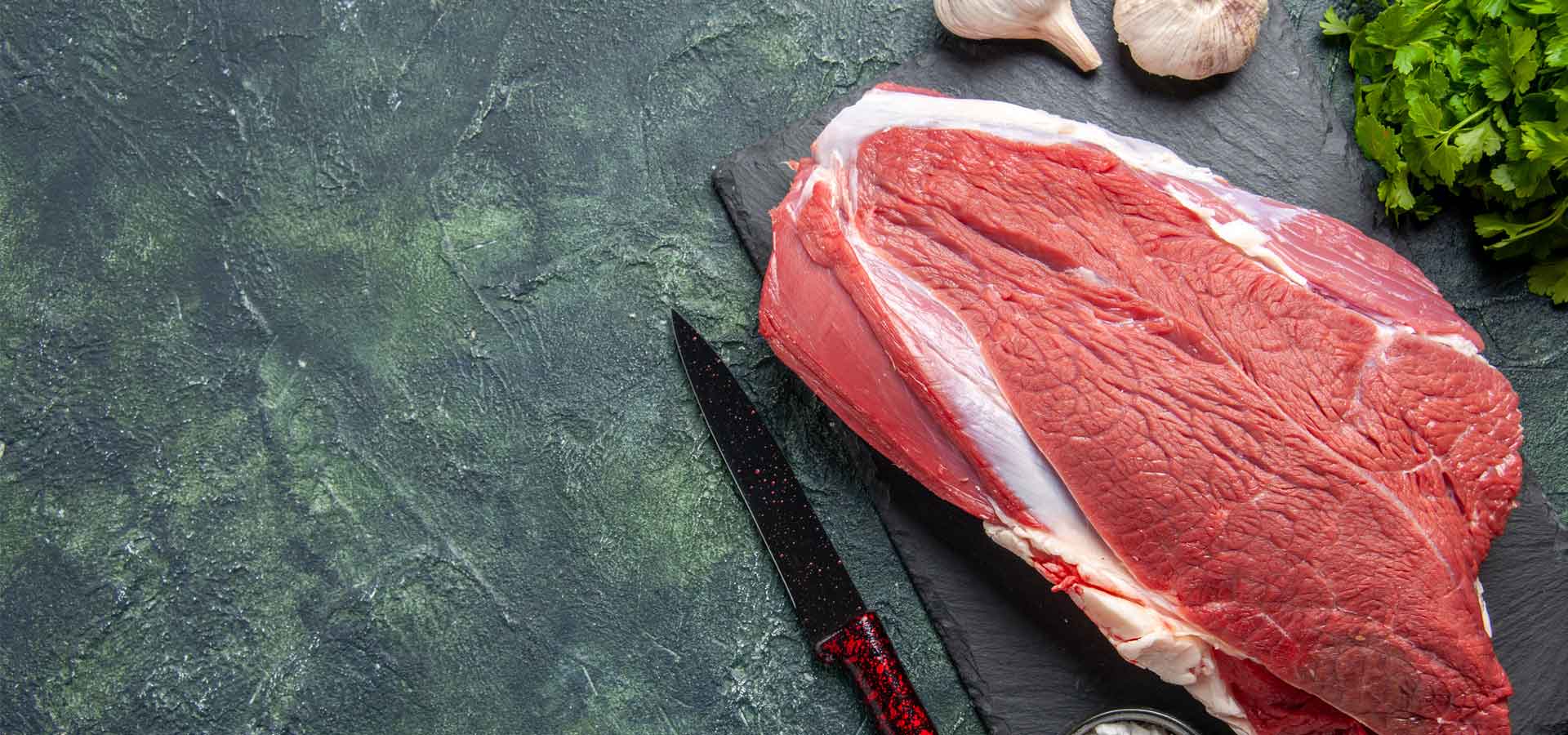
Sustainable Quality Guide for Reliable and Hygienic Wholesale Dry Aged Meat Supply
In the gastronomy world, the success of a restaurant, hotel, or chef is directly related to the quality and consistency of the raw materials entering their kitchen. Especially in a product group like red meat, which is delicate and requires expertise to process and store, there is zero margin for error. Today's consumers care not only about the taste of the food on their plates, but also about which farm the meat comes from, how it was aged, and under what hygiene standards it was produced. At this exact point, two core concepts come to the rescue of professional kitchens: reliable meat and wholesale dry aged meat. These two dynamics allow modern businesses to both protect their brand reputation and offer their guests the same premium taste experience in every single dish.
Financial and Gastronomic Effects of Reliable Meat Choice in Professional Kitchens
Using reliable meat in a kitchen is not just a food safety requirement, but also the biggest investment that guarantees the financial future of the business. Reliability starts from the source of the meat. The feeding habits of the animal, being raised under veterinarian supervision, and being slaughtered humanely away from stress factors directly affect the fiber structure, pH value of the meat, and therefore the taste it will acquire when cooked.
If consistency cannot be achieved in meat supply in a professional kitchen, it becomes impossible for chefs to standardize their recipes. If a ribeye that arrives soft and juicy one day comes tough and tasteless in the next shipment, this directly leads to a loss of customers. Working with a reliable meat supplier offers kitchen staff the advantage of standard product processing. Meat waste rates become predictable, losses during portioning are minimized, and menu costing (food cost) can be calculated with exact precision. Meat coming from facilities fully compliant with food safety standards (HACCP, ISO, etc.) reduces the risk of cross-contamination in the kitchen to zero, protecting businesses from potential food poisoning lawsuits and loss of prestige.
Wholesale Dry Aged Meat Technology and Its Value Added to Businesses
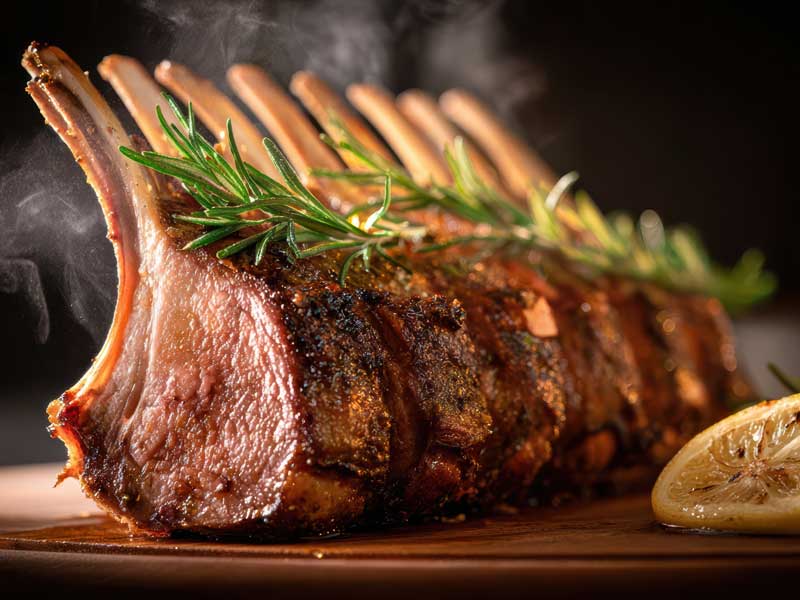
With the rise of steakhouse culture and gourmet restaurants in recent years, meat aging methods have become one of the most critical differentiation points for kitchens. Wholesale dry aged meat refers to bone-in meat kept in specialized rooms under controlled temperature (0-2 °C) and humidity (75-85%) with a controlled airflow for an average of 21 to 28 days. Throughout this process, natural enzymes within the meat break down tough muscle fibers and connective tissues, bringing the meat to an immense tenderness. Simultaneously, a portion of the water inside the meat evaporates; this concentrates the flavor of the meat, allowing it to gain a nutty and aromatic character.
For a restaurant to do dry aging in-house requires both a very serious infrastructure investment and creates an operational burden due to high waste rates. During dry aging, the meat both loses moisture and lightens, and the crusty layer formed on the outer surface needs to be trimmed. This situation leads to a waste rate of between 20% and 35%. Instead of businesses bearing this waste and special cabinet costs alone, it is a rational solution to procure wholesale dry aged meat directly from a professional manufacturer that operates at industrial standards. In this way, businesses reach premium products with high standards and pre-calculated waste, which they can immediately process and portion in the kitchen.
Traceability and the Unbreakable Rule of the Cold Chain
In order to both maintain reliable meat standards and ensure that wholesale dry aged meat products do not lose their quality, the cold chain must not be broken at any stage of the supply chain. Every single second carcasses spend from leaving the slaughterhouse to the processing facility, then to the dry aging rooms, and ultimately to the restaurant door via refrigerated vehicles must be digitally tracked.
A reliable supplier must be able to transparently provide the kitchen chef with the slaughter date of the meat, the origin of the animal, and the exact day of the aging process. This transparency also feeds the story that restaurants present to their own customers. Today, when paying the bill at a premium restaurant, consumers want to hear the story of the meat they eat. The motto "dry aged meat naturally fed in the pastures of Afyon and Balıkesir, slaughtered under veterinary control, and aged in specialized rooms for 28 days" elevates the value and perception of the product on the menu.
Achieving Gastronomic Success Through the Right Supplier Selection
In conclusion; sustainable success in hotel and restaurant kitchens depends on choosing the right business partners. No matter how talented a chef staff you have in the kitchen, if your raw material is weak, the resulting dish can never be perfect. In their meat procurement processes, businesses must make decisions focused not only on price, but also on food safety, certification, logistical strength, and product standardization.
A supplier that continuously provides reliable meat of the same quality and offers flawless wholesale dry aged meat solutions by undertaking waste management for premium segment menus is the hidden hero of the kitchen. Restaurants that capture these standards reduce labor costs and time losses in the kitchen, while carrying their brands into the future by offering their guests the same flawless gastronomy experience on every visit.