
 Turkish
Differences Between Ribeye, Striploin, and Dallas Steak
When it comes to beef, one of the most curious topics in the world of steak and grilling is the difference between different cuts of meat. In particular, ribeye (antrikot), sirloin (kontrfile), and Dallas Steak are frequently preferred choices in restaurant menus, steakhouse kitchens, and among consumers looking for quality meat products. However, it is not correct to think that these three products have the same characteristics. The region from which each is obtained, their fat structure, fiber texture, cutting style, cooking character, and presentation form can differ from one another.
When choosing the right meat, simply looking at the name of the product is not enough. The primal cut location, the fat distribution (marbling), the thickness, and the cooking method to be used also directly affect the final result. Especially in restaurants, hotels, and professional kitchens, selecting the correct meat cut is crucial for both flavor standards and menu food costs.
Understanding the differences between ribeye, sirloin, and Dallas Steak makes it easier to both choose the product that suits your palate and prepare the meat correctly.
What is Ribeye?
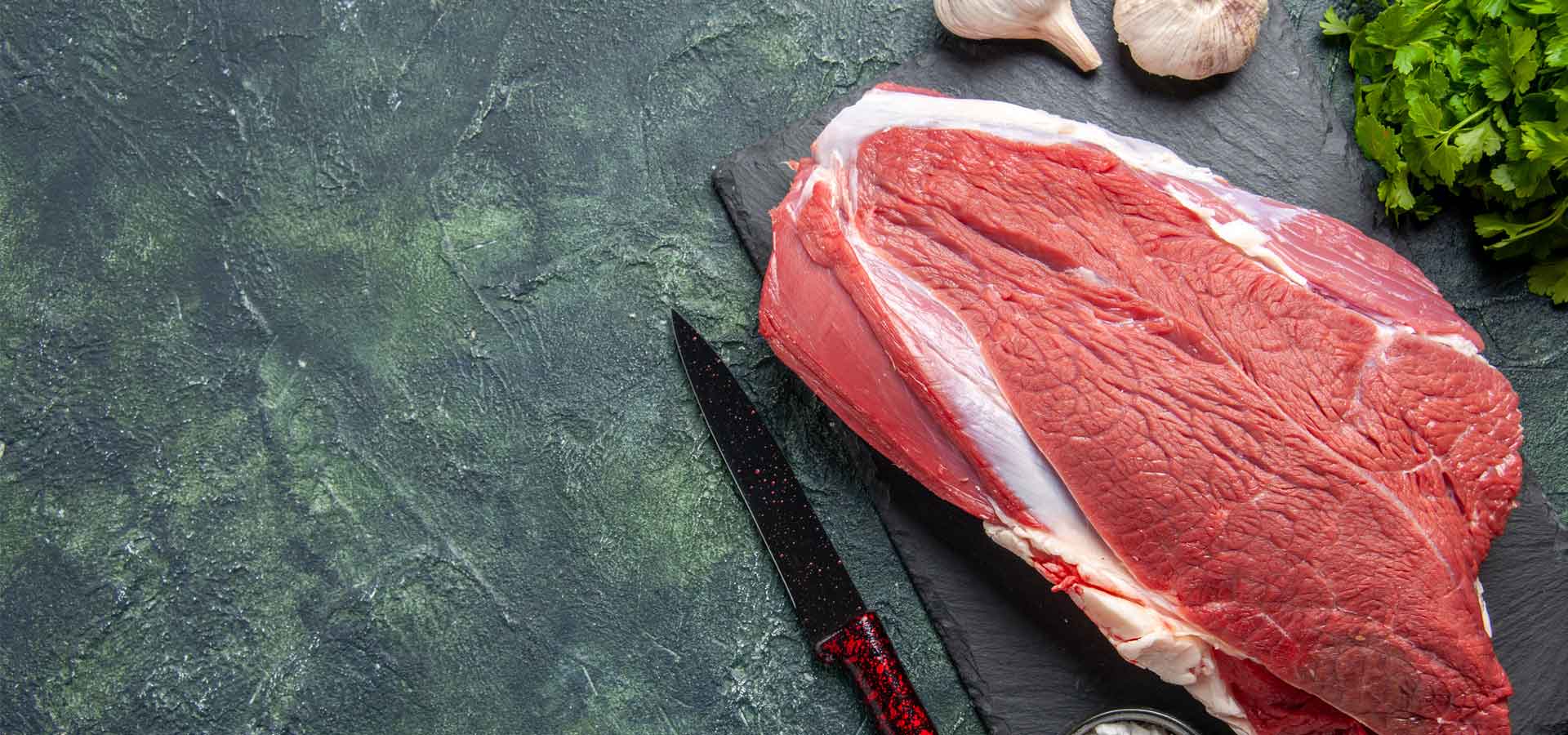
Ribeye is one of the premium cuts of meat obtained from the back region of the steer, standing out particularly with its natural fat distribution. Positioned close to the front section of the back, this cut is known in the steak world for its robust aroma and juicy texture. One of the characteristic features of ribeye is the natural fat tissue found between the muscle fibers. This fat tissue melts during cooking, contributing to the enhancement of the meat's flavor and juiciness.
The fat content of ribeye is not the same in every product. Many factors, such as the animal's diet, age, raising conditions, slaughtering process, and aging period, can affect the structure of the meat. Therefore, even between two different ribeye cuts, variations can be observed in terms of appearance, fat distribution, and flavor.
Particularly ribeye cuts with pronounced fat distribution, known as marbling, are among the preferred products in steak preparations. The melting of the natural fat within the meat during cooking can impart a more intense and rich aroma to the steak.
Ribeye can be used in grilling, cast-iron skillet cooking, and steak preparations, and it can also be utilized as an important part of special menus in professional restaurant kitchens.
What is Sirloin (Striploin)?
Sirloin (Striploin) is also one of the prime cuts of meat obtained from the back region of the steer. Although it is located in an area close to the ribeye, its structure and fat distribution are different. In the steak world, sirloin frequently appears under names such as "striploin" or "New York Strip."
One of the most distinctive features of sirloin is that it has less fat and a firmer texture compared to ribeye. For this reason, it can be a suitable option for those who prefer a more pronounced and pure meat flavor rather than an intense fat aroma.
When sirloin is prepared correctly, a very flavorful and tender steak can be obtained. However, the cooking method is of great importance. In lean or less fatty meats that are overcooked, water loss can increase, which may cause the texture of the meat to toughen. Therefore, when preparing sirloin, attention must be paid to the thickness of the product and the degree of cooking.
In professional kitchens, sirloin can be used in steaks, grilling, cast-iron skillet cooking, and various special meat presentations. Especially in restaurants where portion standardization is important, well-trimmed sirloin can provide an advantage in terms of menu planning.
What is Dallas Steak?
Dallas Steak is one of the names that draws particular attention in Turkey's meat and steak culture. However, there is an important detail here: the name Dallas Steak may not always refer to the exact same cut in the market. While in some sources Dallas Steak is defined as a bone-in ribeye style cut, it can also be used for different thickly sliced steak presentations in various establishments.
Therefore, when purchasing Dallas Steak, instead of looking only at the product name, it would be more accurate to ask from which primal section it is cut and how it is prepared, whether bone-in or boneless.
In one of the common usages in Turkey, Dallas Steak is associated with bone-in ribeye. In this style of cut, the bone imparts a highly impressive visual appearance to the product. Especially in steakhouse restaurants, thickly sliced and bone-in steaks create a striking option in terms of both portion size and presentation.
Since the character of Dallas Steak can change depending on the cut used and the thickness of the slice, the cooking method must be determined accordingly.
What is the Main Difference Between Ribeye and Sirloin?
Although ribeye and sirloin are obtained from nearby regions, they are not the same meat. The most distinct difference between them is the fat distribution and texture.
Ribeye usually has a more pronounced natural fat tissue and marbling. Therefore, it can yield a juicier, intensely flavorful, and rich result during cooking. Sirloin, on the other hand, can exhibit a leaner, firmer character with a more distinct meat texture.
This means that there is no single answer to the question "which one is better?" Because the right choice depends entirely on the intended use.
Yoğun aromalı, yağlı ve sulu bir steak isteyen bir kişi antrikotu tercih edebilir. Daha dengeli, nispeten daha az yağlı ve etin kendi aromasının ön plana çıktığı bir ürün isteyen kişi ise kontrfileyi tercih edebilir.
The same approach applies to professional kitchens. The appropriate cut must be selected by considering the character of the dish to be served on the menu, the portion size, the target customer, and the cooking method.
Antrikot ve Dallas Steak Arasındaki Fark
Ribeye is the name of a meat cut. Dallas Steak, on the other hand, especially in Turkish usage, can appear as a name that refers to a specific steak presentation.
Therefore, it is not correct to automatically equate every Dallas Steak with ribeye. It is necessary to check how the product is defined by the establishment. However, examples where Dallas Steak is presented as a bone-in ribeye are highly common.
One of the main differences between a bone-in steak and a boneless ribeye is the presentation. Bone-in cuts can impart a more spectacular appearance to the plate. Especially in steakhouse menus, large and thick bone-in meats can be considered among the options that reinforce the perception of a premium product in the eyes of the customer.
During cooking, the thickness of the meat and the position of the bone must be taken into consideration. For thickly sliced steaks, controlled cooking is essential to ensure that the interior reaches the desired degree without overcooking the outer surface.
Difference Between Sirloin and Dallas Steak
When evaluating the difference between sirloin and Dallas Steak, it is first necessary to know which specific cut the Dallas Steak is being presented as.
Sirloin is a specific cut of meat obtained from the back region of the steer. Dallas Steak, on the other hand, can be named in various ways in Turkey, meaning the cutting style of the product may change depending on the establishment.
If Dallas Steak is prepared as a bone-in ribeye, it will have a structure distinctively different from sirloin. While ribeye has a fattier and marbled structure, sirloin can be leaner and firmer in texture.
Therefore, when purchasing meat from a restaurant or a butcher, learning which cut the product is prepared from alongside the name "Dallas Steak" would be a more accurate approach, especially in professional purchasing processes.
Which Meat is More Tender?
The tenderness of the meat does not depend solely on the name of the cut. The animal's age, raising conditions, the aging of the meat, the thickness of the cut, and the cooking method also directly affect the final result.
However, thanks to its natural fat tissue, ribeye can often offer a highly juicy and tender steak experience. Sirloin can also yield a tender and flavorful result when the correct cooking method is applied.
Here, the importance of the aging process and cooking control must not be overlooked. A high-quality meat may not yield the expected result when cooked incorrectly. On the other hand, a properly prepared product can bring out its own character much better.
Which Meat is More Fatty?
Generally, ribeye is known for having a more pronounced fat tissue compared to sirloin. The fat veins within the ribeye can help the meat remain juicier and more aromatic during cooking. Sirloin, on the other hand, has a leaner character.
However, it should be noted that the fat content is not the same in every animal and every product. Therefore, it is not correct to state an exact fat percentage based solely on the name of the cut.
When choosing meat, looking at the visible fat distribution of the product can be beneficial, especially for those who are going to prepare steak.
Which Meat Should Be Preferred for Grilling?
Ribeye, sirloin, and a properly prepared Dallas Steak can be preferred for grilling. What is important here is that the cooking method suitable for the characteristics of the meat is used.
Ribeye, thanks to its natural fat tissue, can bring out a robust aroma when cooked at high heat. Sirloin, on the other hand, should not be overcooked due to its lower fat content, and careful attention must be paid to controlling water loss.
For thick Dallas Steak cuts, the cooking process must be managed more controllably. Ensuring that the interior reaches the desired degree of doneness is just as important as properly searing the outer surface of the meat.
Especially in professional kitchens, the thickness of the meat, portion weight, and cooking time must be standardized as much as possible to achieve consistent results.
Choosing the Right Meat Cut for Restaurants
In restaurant and hotel kitchens, meat selection should not be evaluated based on flavor alone. The portionability of the product, continuity of supply, portion weight standards, cooking performance, and menu pricing must also be taken into consideration.
For example, on a premium steakhouse menu, a highly marbled ribeye can be one of the signature offerings. On the other hand, establishments wishing to serve a steak with a more controlled fat content can utilize sirloin.
Thick and spectacular cuts like Dallas Steak can be positioned as a striking item, especially on premium menus. However, maintaining the standard of the product is highly critical here. Serving different cuts under the same name can cause a discrepancy between the customer's expectation and the product they receive on the plate.
Therefore, in professional meat procurement, it is of great importance that the product definition is clear, the cutting standard is maintained, and the supplier can deliver consistent quality.
When Choosing Meat, What Should Be Considered?
When choosing ribeye, sirloin, or Dallas Steak, a few key points can be considered.
First of all, the appearance of the product should be examined. The color, surface structure, and fat distribution of the meat can give an idea about the product. Balanced natural fat distribution is particularly important in ribeye.
Secondly, the thickness of the cut should be evaluated. If the meat to be used for steak is too thin, it can cause the interior to lose water rapidly during cooking. Thicker cuts, on the other hand, can yield more successful results with controlled cooking techniques.
Thirdly, the aging and storage conditions of the product must be taken into consideration. To preserve the quality of the meat, the cold chain must be managed correctly.
Finally, the purpose for which the product will be used must be determined. The selection criteria for meat to be grilled at home may not be the same as the criteria for meat to be used in a restaurant menu.
Ribeye, Sirloin, or Dallas Steak?
The answer to this question actually depends on expectations.
Ribeye stands out for those who want an intense aroma, natural fat tissue, and a juicy steak experience.
Sirloin is a good alternative for those who want a leaner, firmer texture, and a more pronounced meat character.
Dallas Steak, on the other hand, can be a striking option for those who particularly prefer bone-in and thickly cut steak presentations, and want to see a more spectacular product on their plate. However, since the name Dallas Steak can refer to different cuts in different establishments, it is important to verify the cutting structure of the product prior to purchase.
Therefore, rather than asking "which meat is the best?", a more accurate approach would be to ask "which meat is more suitable for which use?"
Conclusion.
Ribeye, sirloin, and Dallas Steak are among the prominent beef options in steak culture. However, each of these products possesses a different character.
While ribeye stands out with its natural fat tissue and intense aroma, sirloin offers a different steak experience with its firmer and relatively leaner structure. Dallas Steak, on the other hand, is a product particularly associated with bone-in and thick steak presentations in Turkey, though its naming can vary from establishment to establishment.
When choosing meat, it is necessary to look not only at the name of the product, but also at the primal cut location, fat distribution, thickness, aging conditions, and intended use together. Especially for restaurants, hotels, and professional kitchens, maintaining product standards, consistent supply, and accurate portioning are just as important as the meat itself.
In conclusion; ribeye can be evaluated for a juicy and intensely flavorful steak, sirloin for a more balanced and relatively lean option, and a properly prepared Dallas Steak for spectacular and thick steak presentations.
When the right cut, right storage, right aging, and right cooking method come together, every meat cut can bring out its own character in the best possible way. Therefore, what matters in choosing high-quality meat is not only which product you select, but also understanding the characteristics of your chosen product correctly and preparing it accordingly.