
 Turkish

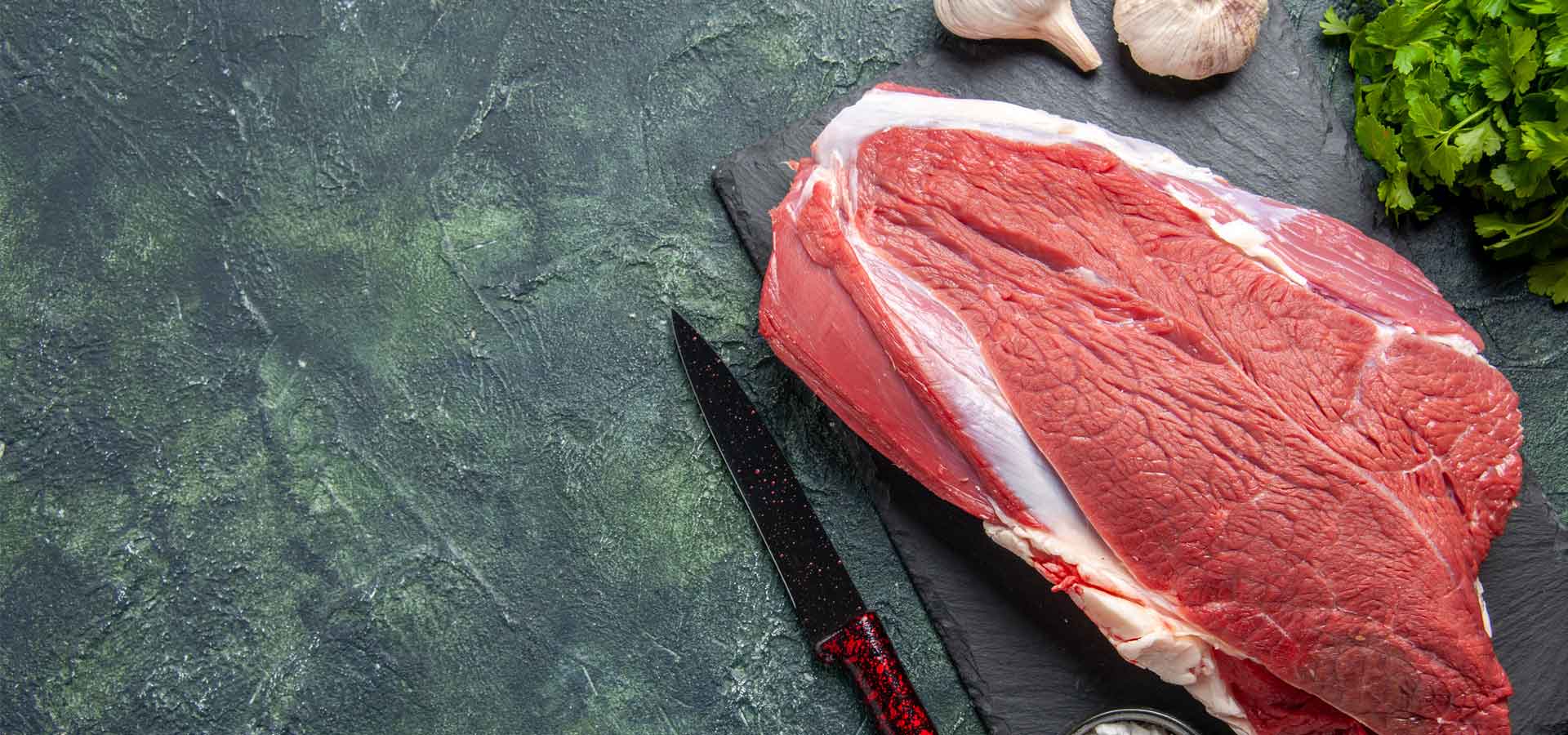
The Pursuit of Flavor and Trust in Gastronomy: Premium Red Meat Standards for Professional Kitchens
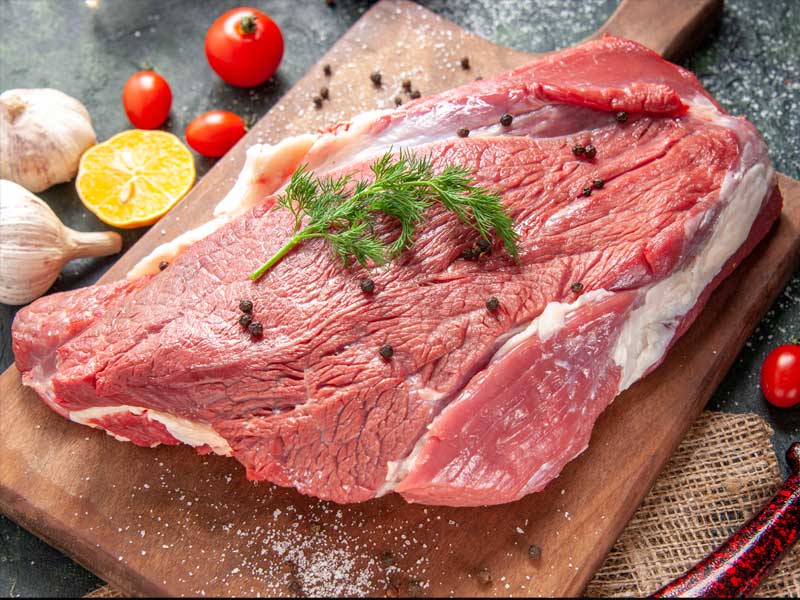
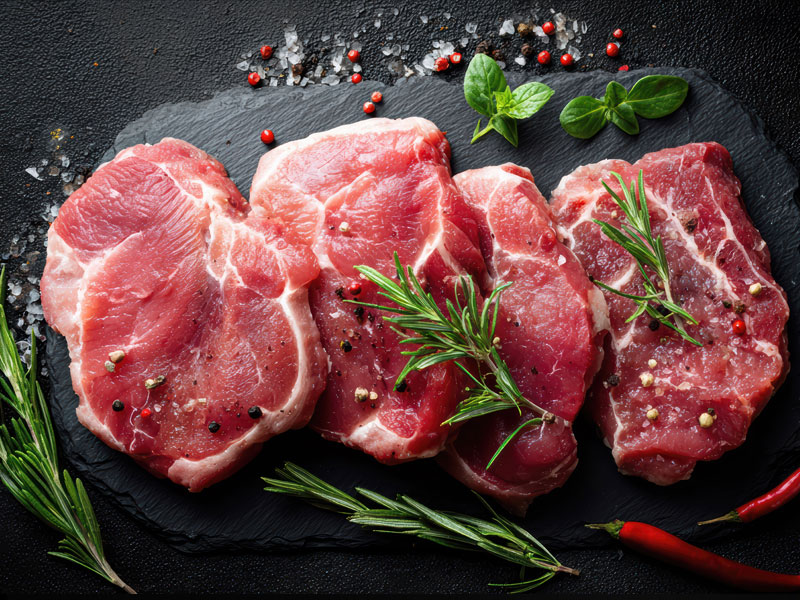
Red meat is one of the most fundamental and prestigious cornerstones of world cuisines and Turkish gastronomy. The success of a restaurant, hotel, or gourmet butcher depends directly on the consistent flavor of the dishes served to guests. The only way to achieve this consistency is by ensuring that every cut of meat entering the kitchen meets the highest standards. In today’s gastronomic world, chefs and business owners prefer products with a story, traceability, and professional processing rather than ordinary raw materials.
From a high-end steakhouse to a traditional döner restaurant, every professional kitchen shares the same goal: delivering the same tenderness and aroma to guests every time. Behind this success are products prepared with the right cuts, aged using proper techniques, and delivered through an uninterrupted cold chain. For businesses seeking to stand out in a highly competitive industry, choosing the right supplier is not merely a purchasing decision but also a strategic move to protect brand reputation.
Sustainable Farm Management and Traceability in Reliable Meat Supply
The first step toward exceptional flavor in a professional kitchen begins at the farm where the animal is raised. A wholesale meat supplier that truly stands out in the industry must operate a meticulous control mechanism from the very beginning of the process. Farms located in Türkiye’s most productive livestock regions, such as Afyon, Balıkesir, and Sakarya, and supervised by veterinarians, form the strongest links in this chain. Recording every stage, from feeding routines to health checks, guarantees the final product meets the standards of reliable meat.
Reliability goes beyond hygienic slaughter practices. Proper breed selection, balanced nutrition, and a stress-free farming environment ensure the ideal development of muscle and fat tissues. The most important criterion professional kitchens expect from a supplier is consistency. A chef wants to know that the quality of the striploin or brisket served today will be identical to the product delivered a month later. Therefore, traceability throughout the journey from selected Anatolian farms to dining tables has become one of the most critical parameters in the modern food industry.
A Gourmet Favorite: What Makes the Perfect Marbled Ribeye?
When it comes to premium red meat, ribeye is undoubtedly one of the first cuts that comes to mind. However, there are significant structural differences between an ordinary ribeye and a gourmet-quality marbled ribeye. The term “marbled” refers to the intricate network of intramuscular fat distributed throughout the meat. As the meat cooks, this marbling melts into the fibers, enhancing tenderness and creating a rich, distinctive flavor.
In a perfectly marbled ribeye, fat should not be concentrated only around the outer edge but should be evenly distributed throughout the meat. Cuts sourced from carefully selected breeds and properly nourished animals retain their juices when seared over high heat. This premium cut, often the centerpiece of steakhouse menus, has become a symbol of prestige thanks to its buttery texture. A ribeye with the ideal fat ratio requires no additional oil during cooking, naturally delivering its fullest flavor potential.
A Game-Changing Kitchen Solution: Wholesale Specialty Meat and Dry-Age Technology
Every restaurant has its own concept, menu, and cooking techniques. This diversity requires solutions that go beyond standard cuts and are tailored to each business. Wholesale specialty meat services meet this need perfectly. Meat products portioned, trimmed, or prepared to specific thicknesses according to customer requirements reduce labor in the kitchen while minimizing waste. Preparing premium cuts such as T-Bone, Dallas Steak, or Tomahawk to the precise specifications requested by chefs requires significant expertise.
In addition, dry aging has become the heart of modern meat gastronomy for unlocking the full flavor potential of beef. Wholesale aged meat solutions include products stored for at least 21 to 28 days in specially designed Dry Age rooms with carefully controlled temperature and humidity levels. During this process, natural enzymes break down muscle fibers, resulting in exceptional tenderness, while moisture loss concentrates the meat’s flavor. For businesses that find it challenging to manage large-scale dry-age operations in-house, sourcing professionally aged products offers a tremendous operational advantage.
Wholesale Dried Meat and Processed Product Standards in Delicatessen and Industrial Production
The red meat industry is not limited to fresh steaks or carcass meat. Premium processed products such as wholesale dried meat, frequently featured on hotel breakfast buffets, gourmet butcher shelves, and luxury restaurant appetizer menus, also represent a significant market segment. Traditional methods combined with modern technology produce dried meat, smoked meat, and specialty delicatessen products, all of which should be crafted exclusively from carefully selected cuts within the premium-quality meat category.
In the production of these premium meat products, every stage of salting, drying, and smoking is monitored through computerized systems. Meat that is not dried at the correct humidity level or stored under hygienic conditions can lose flavor and pose food safety risks. For professional kitchens, sourcing these products wholesale from a reliable producer—whether sliced, ready-to-serve, or in block form—enhances menu variety while maintaining consistent quality standards.
Professional Partnership for Sustainable Success in Gastronomy
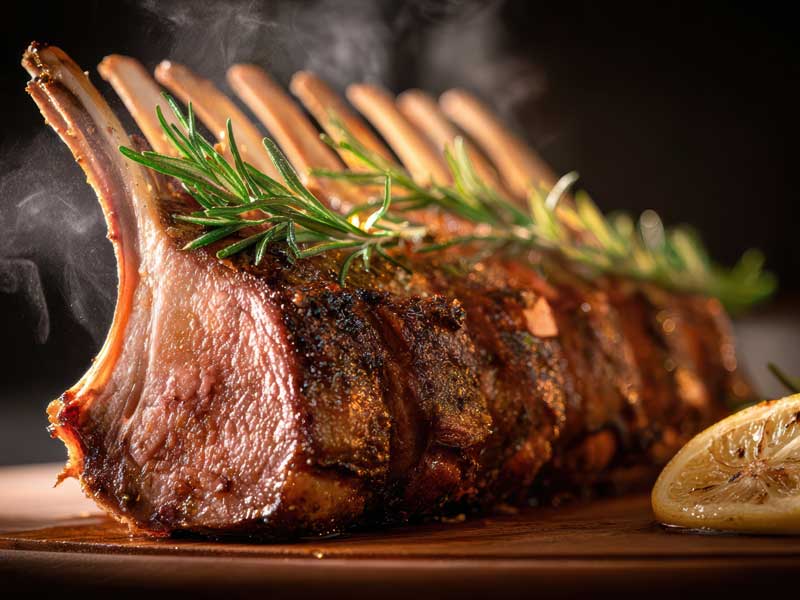
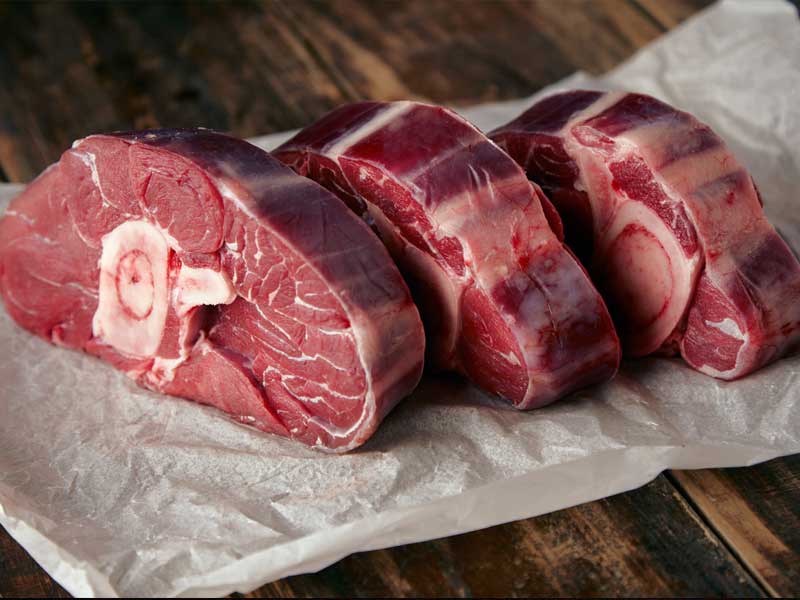
In summary, achieving long-term success in the gastronomy industry and building a loyal customer base is directly linked to the quality of the ingredients used in the kitchen. Whether it is lamb shank, whole fresh lamb, artisan döner, or a premium ribeye, every product on your menu should be backed by professional production expertise. A supplier with years of industry experience, strong logistics infrastructure, and unwavering veterinary supervision can become one of your business’s greatest hidden strengths.
Like the leading restaurants and gourmet butchers across the Marmara, Aegean, and Mediterranean regions, you should choose products within the premium meat category to eliminate risk in your kitchen. Professional solutions that prioritize excellence at every stage—from farm to slaughterhouse, from aging rooms to your doorstep—help maintain the highest standards of quality and guest satisfaction. For the finest red meat varieties and customized wholesale solutions for your business, you can always rely on expert support and elevate your menu to the next level.