
 Turkish

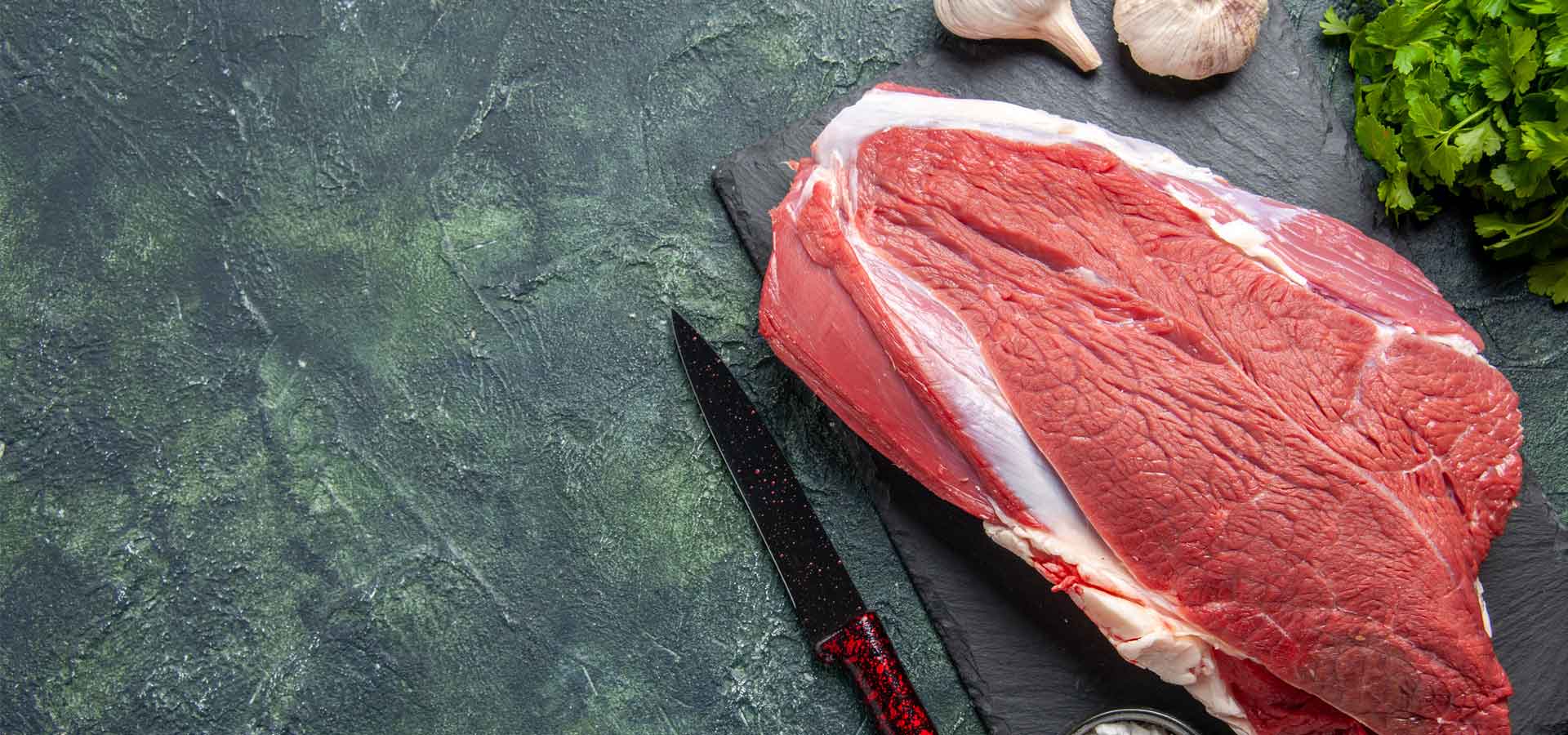
A Touch of Distinction on Restaurant Menus: Selection of Marbled Ribeye and Wholesale Aged Meat
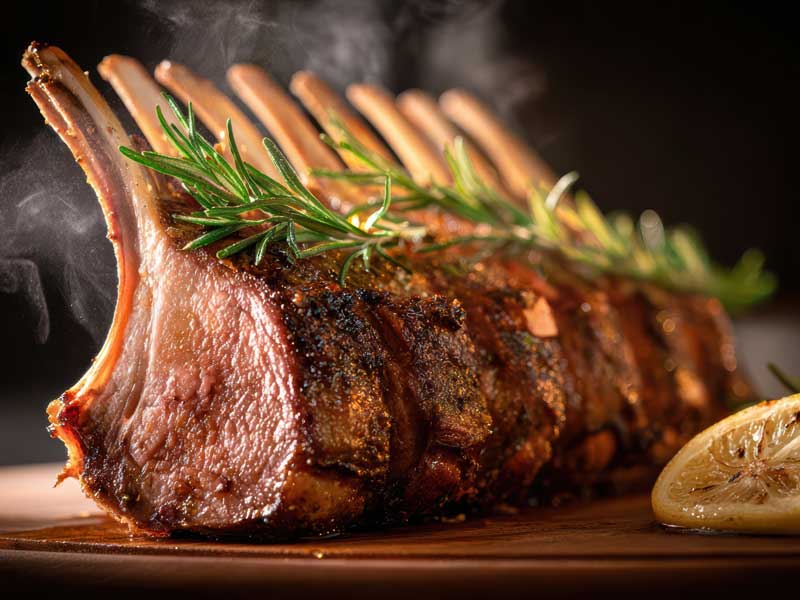
While competition in the modern gastronomy world gets fiercer day by day, the most fundamental element separating a restaurant, hotel, or steakhouse business from its competitors is the quality of the raw materials entering its kitchen. Today, conscious consumers and gourmets aim to experience a unique culinary journey rather than just satisfying their hunger when dining out. Especially for enterprises with premium red meat menus, maintaining the flavor standard, tenderness, and aroma of the served product at every single service is the golden key to sustainable commercial success. Creating a signature flavor on the menu, making a difference in plate presentations, and building a loyal customer base lead chefs to turn most to marbled ribeye and wholesale aged meat solutions in recent years. Processed with correct techniques, obtained from the right livestock breeds, and matured for ideal periods, these valuable meat varieties do not only boost flavor in professional kitchens but also elevate business prestige and operational efficiency to the highest level.
What is Marbled Ribeye and Why is it Important for Menus?
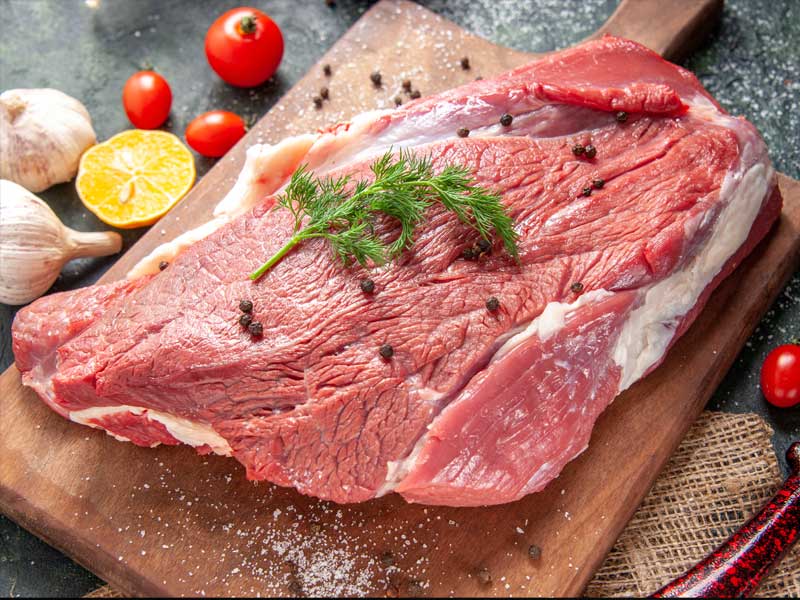
Ribeye, the favorite of red meat lovers, gourmets, and master chefs, is one of the tenderest and most valuable cuts obtained from the back of the steer, specifically over the thoracic vertebrae. However, not every ribeye delivers the same kitchen performance or offers the same culinary experience. The product known in the sector as marbled ribeye is a highly exclusive selection possessing intramuscular fat tissue—internationally referred to as the marbling ratio—finely woven like a net between the muscle tissues. These fat veins melt by combining with high heat when the meat enters the pan or grill. This high-quality fat, slowly dispersing between the fibers, provides the meat with a unique juiciness, a melt-in-your-mouth tenderness, and an intense red meat aroma.
In a professional kitchen, the most concrete, visible indicator of using quality meat is this marbling texture. Unlike thick layers of fat accumulating on the outer layer, the marbled structure distributed homogeneously within the meat completely prevents it from drying out during cooking. Choosing products with a marbled structure in wholesale custom meat procurement ensures that the same high standards are captured in every single portion leaving the kitchen. For chefs, there is no need to use additional external tail fat, butter, or to keep the meat in heavy marination processes for hours. The meat reaching greatness with its own natural aroma reduces both the workload and preparation time in the kitchen, while optimizing the cost per plate and maximizing customer satisfaction.
The Secret Weapon of Professional Kitchens: Wholesale Aged Meat
One of the most common mistakes made in the red meat sector is the assumption that freshly slaughtered meat can be thrown directly onto the grill. However, the stiffness of death (rigor mortis) that occurs in the muscles right after slaughter causes the meat to toughen, lose its juice, and remain flavorless during cooking. The biggest secret weapon used by premium kitchens and chefs to solve this problem is wholesale aged meat applications. It is essential for the meat to go through a specific maturation process so that the natural enzymes within its own structure slowly break down the connective tissues (collagens), relax the muscle fibers, and concentrate the flavor components at the core.
The thickness, bone ratio, and marbled texture of the meat are of vital importance for special steakhouse concepts, grill restaurants, or boutique butchers. Custom cuts portioned according to your business concept, which minimize unnecessary trimming losses and reduce labor costs in the kitchen, are among the strongest building blocks of menu engineering. The right business partner does not just provide raw materials to your kitchen; they also generate solutions that optimize your cost analysis.
Chefs' Essential: Marbled Ribeye and Natural Marbling
Ribeye is one of the leading cuts taking center stage on the menus of gourmet kitchens and meat-focused restaurants. However, not every ribeye offers the same flavor intensity. The tenderness and aroma of the meat depend on the fat fibers distributed homogeneously between the muscle tissues, namely the marbling texture. This high-quality cut, known in the industry as marbled ribeye, blends with its own internal fat during cooking, gaining an unparalleled juiciness and tenderness.
In the sector, this maturation process is basically carried out through two methods: Dry Aging and Wet Aging. Especially in wholesale dry-aged meat processes, the meats are kept as bone-in carcasses or large primal cuts for 21 to 28 days in special industrial rooms that maintain a temperature between 0 and +2 °C, a humidity rate of 80-85%, and provide continuous air circulation. During this process, while the meat loses its moisture and its weight decreases, the remaining internal juice concentrates incredibly, gaining a nutty, deep aroma.
Managing such long-term and sensitive aging processes within their own structure is commercially highly risky for restaurants, hotels, or chain cafes. The installation costs of special humidity- and temperature-controlled cabinets, electricity consumption, and most importantly, the shrinkage (loss) rates reaching up to 20% to 30% experienced during drying can disrupt the financial balance of the restaurant. Procuring wholesale aged meat directly from a reliable and professional producer means both budget control, zeroing out shrinkage, and time savings for businesses. Delivered to your kitchen after being aged for the ideal number of days under the correct temperature and humidity balance, the meats keep the shrinkage rate at a minimum during cooking and allow you to offer your guests a perfectly timed steak experience—seared on the outside and juicy on the inside.
The Relationship Between Reliability, Standardization, and Continuity in Meat Supply
The biggest financial and prestige loss that a restaurant business or hotel kitchen can experience in terms of sustainability is inconsistency in flavor. On a Saturday night at peak hour, if one of the ribeye plates served to two different guests sitting at the same table is tender as Turkish delight while the other is tough to chew and dry, this directly damages the brand value of that establishment. In gastronomy, being able to present that flavor with the same standard every day and in every single portion—meaning "standardization"—is as vital as the taste itself. For this reason, finding a reliable meat supplier and business partner, rather than an ordinary vendor, is the backbone of menu success for professional kitchen managers.
Every link of the supply chain must be meticulously inspected when purchasing wholesale meat. The producer must strictly comply with cold chain standards, adhere to traceability principles in the process from farm to fork, not neglect veterinary checks, and deliver the same quality valuable meat segment to your kitchen in every shipment. The animal's feeding habit (alfalfa, barley, or free grazing), the climatic characteristics of the region where it was raised, avoiding stress in the animal during slaughter, and post-slaughter aging conditions are all invisible factors that directly determine the quality of the ribeye you put on your plate. Instead of making an ordinary, bulk meat purchase for your business; working with wholesale custom meat partners who can offer tailored cutting portions and maturation periods specific to your restaurant's concept and the cooking techniques on your menu (oven, cast-iron skillet, charcoal grill, etc.) will make you permanent and a leader in the sector.
Crown Your Menu with ALP-ET Expertise and Trust Since 1995
The way to offer your guests an unforgettable culinary journey they will want to experience again and again at your restaurant, hotel, boutique burger shop, or steakhouse passes through the naturalness, purity, and processing quality of the raw material. A flawless marbled ribeye flavor or perfectly matured wholesale aged meat varieties stop being ordinary members of your menu and transform into signature dishes that turn your establishment into a brand.
ALP-ET, which has been the biggest supporter and reliable companion of Turkey's leading professional kitchens, chefs, and hotels since 1995, carries out production in its modern and hygienic production facilities under international food safety standards. With our wide product range, expert butcher staff, and premium product selection, we deliver all the red meat solutions your business needs to your kitchen right on time and without breaking the cold chain. You can rely on ALP-ET’s quarter-century of expertise to create a true flavor revolution on your menu, get full marks from your guests, and increase your profitability by optimizing the shrinkage rates in your kitchen costs.