
 Turkish

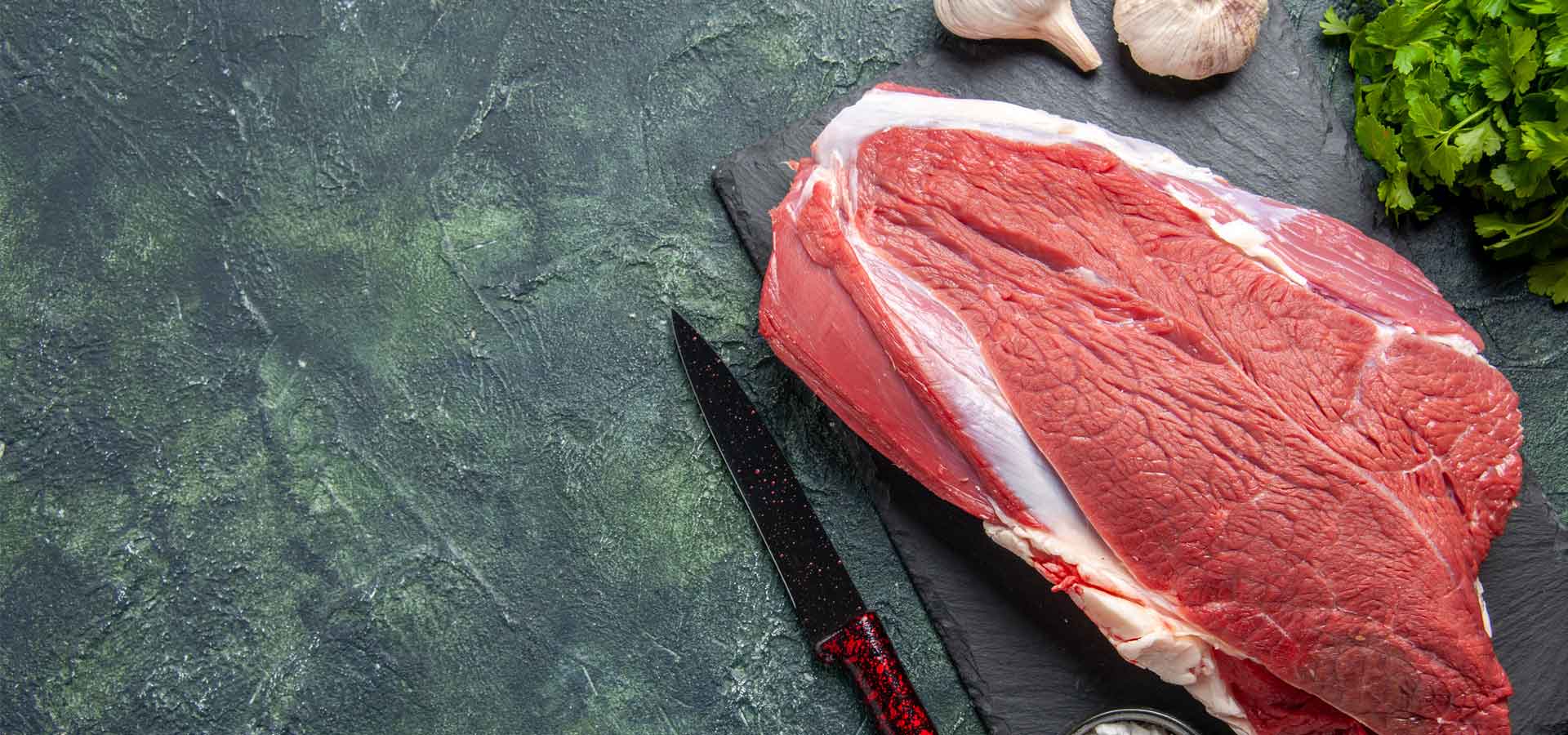
Why Meat Cutting Standardization Is Critical to the Success of Professional Kitchens
In professional kitchens, the success of a delicious dish cannot be explained solely by the quality of the ingredients used. The same product must reach the customer with consistent flavor, texture, weight, and presentation at every service. Especially in restaurants, hotels, steakhouses, and other foodservice businesses where red meat plays an important role, one of the most critical steps in achieving this consistency is meat cutting standardization.
If the same meat dish is prepared with different portion sizes from one service to another, not only does the customer experience suffer, but portion costs become inconsistent, inventory management becomes more difficult, and unnecessary waste can occur in kitchen operations. For this reason, in professional kitchens, the quality of the meat is just as important as the way it is cut, portioned, and prepared according to the intended use.
ALP-ET has been operating in the meat industry since 1995, serving wholesale and retail customers through its production infrastructure in different regions and its professional logistics network. In addition to beef and lamb product groups, ALP-ET provides a range of meat solutions designed to meet the needs of professional kitchens.
Advantages of Meat Cutting Standardization in Professional Kitchens
There are many variables between the moment meat arrives at a business and the moment it reaches the plate. The cut of meat, how it is portioned, how it is stored, and which cooking method is used can all directly affect the final product.
Therefore, particularly for high-volume kitchens, wholesale specialty meat should not be viewed simply as a product purchase. Establishing a product standard that matches the restaurant's menu and operational requirements is an important part of the procurement process.
1. Consistent Portion Sizes at Every Service
If a restaurant has defined a 250-gram portion for a particular meat dish, maintaining this standard in the kitchen is essential. Using 230 grams one day and 280 grams another day can affect both food costs and the customer's overall experience.
Standardized portioning allows businesses to:
- Calculate product costs more accurately.
- Establish more reliable menu pricing.
- Forecast daily and monthly meat consumption.
- Improve inventory control.
- Make kitchen operations more efficient.
At this point, high-quality meat is important, but proper portioning is equally essential.
2. Using the Right Cut for the Right Dish
Each cut of beef and lamb has its own characteristics. Ribeye, striploin, tenderloin, brisket, chuck, and other cuts differ in terms of fat content, muscle structure, tenderness, and cooking requirements.
For example, using the same cut of meat for a steak that requires high-temperature, short-time cooking and a dish that requires long, slow cooking may not produce the desired result.
The success of a professional kitchen begins not only with purchasing high-quality meat, but also with matching the right cut to the right culinary application.
This is why working with a reliable meat supplier that understands the restaurant's menu and operational requirements can provide a significant advantage.
3. Waste Control in Wholesale Meat Purchasing
When purchasing meat, looking only at the price per kilogram is not enough. One of the most important factors is how much of the purchased product can actually be used efficiently in the kitchen.
Inconsistent trimming, cutting, and portioning can lead to unnecessary waste. In restaurants that use large quantities of meat, even seemingly small differences in waste percentages can turn into significant costs over the course of a year.
For this reason, when purchasing wholesale meat, businesses should evaluate not only price but also:
- Cutting standards
- Portion consistency
- Intended use of the product
- Packaging methods
- Delivery reliability
- Product quality
- Supply continuity
This is also where the concept of premium value meat becomes relevant. A valuable meat product is not necessarily the most expensive one. A product that reaches the business at the right cost, in the right standard, and for the right application can also provide significant value.
4. Standardization in Specialty Products Such as Çıralı Ribeye
For businesses that feature steaks and premium meat products on their menus, product standardization becomes even more important.
Çıralı Ribeye is one of the options that can stand out in menus designed for customers with high expectations for premium meat. For such a product, it is not enough to simply offer a premium cut. Maintaining similar thickness, weight, and cooking performance in every portion is also important for customer satisfaction.
If the ribeye a customer orders today differs significantly from the product they receive when they return a few weeks later, this can negatively affect the restaurant's brand perception.
Therefore, when choosing a supplier for premium products, businesses should evaluate not only the product itself but also the supplier's ability to consistently maintain high-quality meat standards.
5. Product Standards for Wholesale Dry-Aged Meat
Standardization is equally important for meat that has undergone a maturation process. The aging period, storage conditions, and the way the meat is portioned afterward can all influence its performance in the kitchen.
When sourcing wholesale dry-aged meat, particularly for steakhouses and meat-focused restaurants, the product should be compatible with the restaurant's menu and service model.
Every business has different requirements. While one restaurant may require high-volume, standardized portions, another may prefer more premium products with specific portion sizes.
Therefore, communication between the supplier and the business is just as important as product quality.
6. Proper Planning for Wholesale Dried Meat and Product Variety
Professional kitchens may use not only fresh meat but also a variety of products suitable for different preparation and presentation techniques. Products such as wholesale dried meat can be used in a wide range of applications, from breakfast concepts and gourmet menus to charcuterie boards and specialty presentations.
Here too, the product standard should be determined according to the specific needs of the business.
Increasing product variety does not, by itself, provide an advantage for a business that purchases wholesale. The real advantage lies in sourcing the products that are actually needed for the menu, in the right quantities and with proper planning.
7. The Importance of Working with a Reliable Supplier
One of the most important requirements of professional kitchens is consistency. If a product listed on a restaurant’s menu is available today but cannot be supplied at the same standard a few weeks later, it can lead to operational challenges.
Therefore, when choosing a reliable meat supplier, businesses should consider not only product quality but also supply continuity, logistics infrastructure, and customer communication.
ALP-ET’s own website also highlights quality, reliability, customer satisfaction, sustainability, innovation, and family values. The company also offers a quotation process for wholesale meat requests from professional customers.
Working with a professional supplier provides more than simply meeting a kitchen’s daily meat requirements. It enables the business to manage its menu and purchasing plan in a more predictable and efficient manner.
8. How Does Meat Cutting Standardization Improve Kitchen Efficiency?
Therefore, when choosing a reliable meat supplier, businesses should evaluate not only product quality but also supply continuity, logistics infrastructure, and customer communication.
Products prepared according to predetermined standards can help streamline and accelerate kitchen operations.
This difference becomes even more noticeable during busy service hours. With pre-portioned products prepared according to their intended use, chefs and kitchen staff can spend less time on preparation and more time focusing on cooking and presentation.
This approach also enables the restaurant to get greater efficiency from its wholesale specialty meat supply.
9. Combining Menu Engineering with Meat Procurement
Meat procurement and menu planning should not be considered independently. When deciding which products to offer on the menu, a business should also take into account how those products will be sourced and portioned.
For example, a restaurant offering ribeye, striploin, and various lamb products on its menu can establish separate usage quantities and portion standards for each product.
With this approach, the business can:
- Plan its best-selling products more accurately.
- Prevent excess inventory of less frequently used products.
- Optimize its purchasing frequency.
- Track its portion costs.
- Set more realistic menu prices.
Ultimately, the selection of premium-value meat should be evaluated not only by the product’s flavor and quality, but also by the overall value it provides to the business.
10. The Right Meat Supply Strategy Is an Operational Strategy
Treating meat procurement solely as the responsibility of the purchasing department can cause professional kitchens to miss an important opportunity. The chef, purchasing team, business manager, and supplier should work together toward the same goals.
Delivering the right product, in the right weight, with the right cut, and at the right time can impact many aspects of a business, from kitchen efficiency to customer satisfaction.
Therefore, when purchasing wholesale meat, businesses should ask themselves not only, “What is the price per kilogram of this meat?” but also, “How efficiently can this product be utilized in my kitchen?”
A well-planned meat supply system brings together quality, cost efficiency, operational performance, and customer experience.
Standardization in Professional Kitchens: The Invisible Part of Flavor
A restaurant’s ability to consistently deliver products of similar quality to its customers is not a coincidence. It is the result of several key factors, including proper sourcing, the right product selection, appropriate cutting, standardized portioning, effective inventory management, and reliable logistics.
Especially in professional kitchens where red meat is a key ingredient, choosing high-quality meat is only the starting point. However, achieving sustainable success requires integrating that quality into every aspect of the kitchen operation.
Establishing standards tailored to the specific needs of the business for wholesale specialty meat, wholesale dried meat, wholesale dry-aged meat, Çıralı Ribeye, and various beef and lamb products can support both kitchen performance and cost control.
Ultimately, building the right partnership with a reliable meat supplier can make a significant difference in many areas, from the daily operations of professional kitchens to long-term brand value.
Meat quality should not be evaluated solely based on the product itself; it should also be assessed in terms of cutting standards, portion control, consistency, and the overall value provided to the business. Because in professional kitchens, true quality is not simply about purchasing good meat—it is about being able to serve that meat to customers with the same level of excellence at every service.