
 Turkish

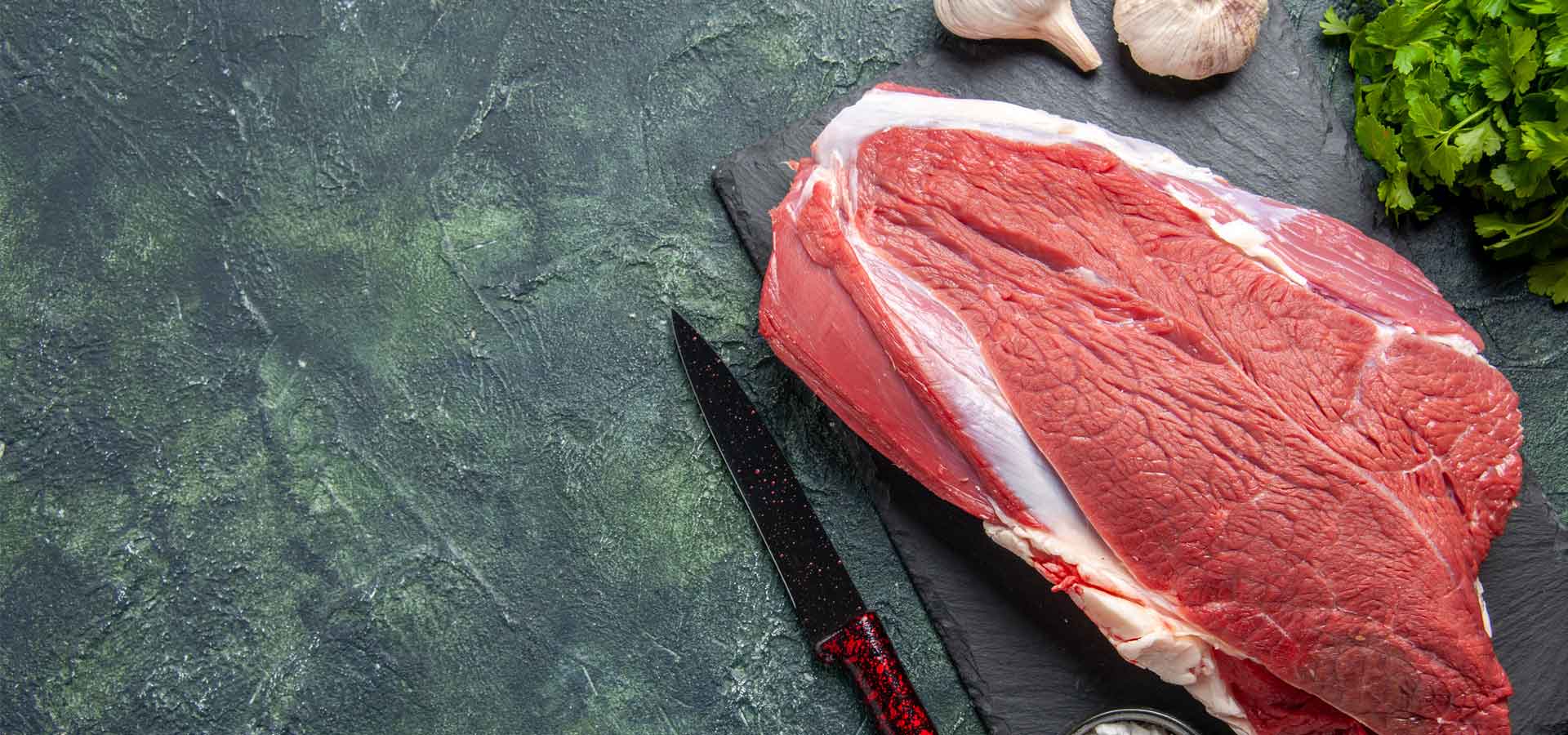
The Premium Era of Menu Engineering: Balancing Flavor and Cost in Professional Kitchens
In today's culinary world, the secret to running a successful restaurant goes beyond serving delicious dishes. It also requires effectively managing kitchen operations, conducting accurate cost analyses, and ensuring the sustainability of every item on the menu. This is where one of the most powerful tools of modern restaurant management, "Menu Engineering," comes into play. Menu engineering is the art of optimizing the balance between profitability and popularity of the items on a restaurant's menu. In mastering this discipline, chefs and restaurant owners rely on one essential factor: sourcing the right, consistent, and high-quality meat. Achieving consistency in the kitchen begins with delivering the same exceptional dining experience to every guest, every time. As competition in the gastronomic industry continues to intensify, investing in premium meat rather than ordinary raw materials is no longer a luxury—it is a long-term investment in profitability.
Every dish on a restaurant's menu should deliver maximum efficiency, from preparation time to storage conditions. Professional kitchens require wholesale premium meat solutions that not only provide exceptional flavors but also streamline kitchen operations. Products supplied with custom portioning, specific fat ratios, and standardized thicknesses significantly reduce preparation time. Since 1995, ALP-ET Meat and Meat Products has been meeting these needs by raising livestock under the supervision of veterinarians at its carefully selected farms in Afyon, Balıkesir, and Sakarya. Properly processed, premium-quality meat that is ready for the chef's kitchen reduces the workload of the culinary team while ensuring every plate reaches the table with consistent weight and visual presentation.
Reducing Kitchen Waste and Building Customer Loyalty Through the Right Product Selection
One of the greatest challenges affecting kitchen costs is product loss, commonly referred to as "waste" or "trim loss." When inconsistent products with uncertain quality and uneven fat-to-muscle distribution are used, significant losses occur during trimming and preparation. For example, a well-marbled ribeye steak, one of the signature cuts on a steakhouse menu, retains its natural juices during cooking thanks to its evenly distributed intramuscular fat. Selecting a ribeye with the proper texture prevents excessive shrinkage during cooking, allowing it to reach the guest exactly as intended. This not only ensures portion control for the business but also maximizes customer satisfaction. Reducing waste begins with partnering with reliable meat suppliers who provide fully traceable products while maintaining an unbroken cold chain.
One of the fastest-growing trends in modern gastronomy is the use of intensely flavored products in charcuterie boards, gourmet burgers, and appetizer menus. Restaurants increasingly prefer wholesale cured meat purchases to add innovative, high-value touches to their menus. Properly aged under controlled humidity and temperature, cured meat enhances menu prestige while giving chefs a versatile ingredient for creative presentations. Likewise, for restaurants seeking to distinguish their main courses, sourcing wholesale dry-aged meat is becoming increasingly important. Meat aged under carefully controlled conditions develops a tender texture through natural enzymatic processes while gaining a rich umami flavor. By offering premium dry-aged cuts, restaurants can instantly differentiate themselves from competitors and position their brand within the premium dining segment.
For large restaurant chains, hotels, catering companies, and steakhouse businesses, one of the greatest challenges is maintaining logistical consistency and uninterrupted supply. Receiving an outstanding product one week and a lower-quality product the next can damage a restaurant's reputation. Therefore, professional kitchens prioritize continuity and strong corporate infrastructure when purchasing wholesale meat. Thanks to its extensive logistics network spanning the Marmara, Aegean, and Mediterranean regions, ALP-ET consistently delivers fresh, safe products whenever businesses need them. A flawlessly managed cold chain preserves the freshness and microbiological safety of the meat throughout every stage, from the farm to the slaughterhouse and ultimately to the restaurant's storage facilities.
Ultimately, a successful menu engineering strategy is not solely about setting the right prices—it is about choosing the right raw materials behind every dish. If you want every plate in your restaurant to become a signature creation, you must be confident in the quality of the products entering your kitchen. If your goal is to elevate your menu, optimize waste-related costs, and provide your chefs with premium-quality ingredients, discover ALP-ET's professional solutions. To receive a customized corporate quotation for the red meat products best suited to your restaurant's concept and menu requirements, simply complete the contact form on our website and connect with our expert team.