
 Turkish

Cold Chain, Logistics, and Sustainability Management in B2B Meat Supply
In the gastronomy world, the secret of success for luxury restaurants, hotels, boutique butchers, and doner kebab producers is not limited only to the master craftsmanship of the chef in the kitchen. Real success begins with the quality of the raw material entering the plate and preserving this quality through a sustainable supply chain. When it comes to the red meat sector, logistics is much more than a simple transport operation; it is a vital process that directly determines the flavor, texture, microbiological safety, and cost balance of your business.
Consistently delivering the standards of quality meat and reliable meat required by professional kitchens demands meticulous planning of every step from the farm to the moment of shipment. In this guide, we will examine the operational importance of cold chain management in B2B meat supply, the impact of logistics on flavor in wholesale meat purchases, and how to meet the high standards demanded by modern kitchens.
1. Anatomy of a Flawless Cold Chain in the Meat Sector
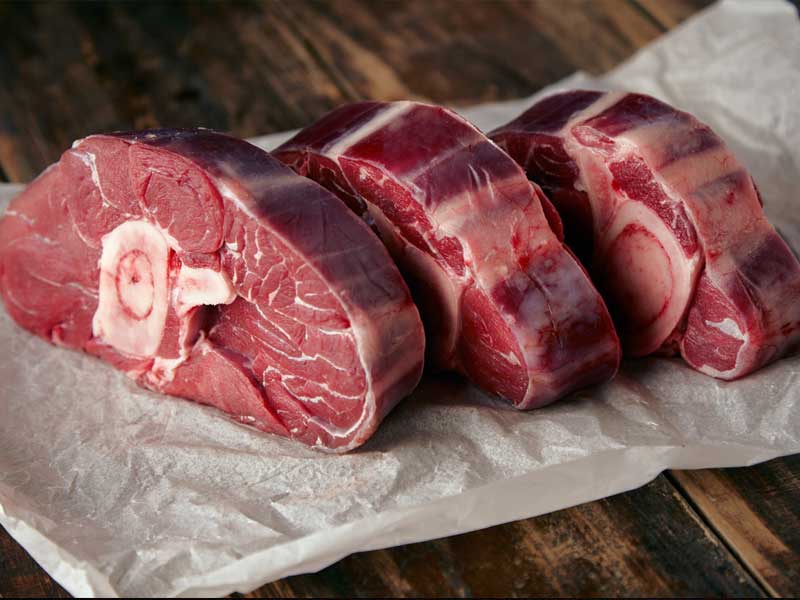
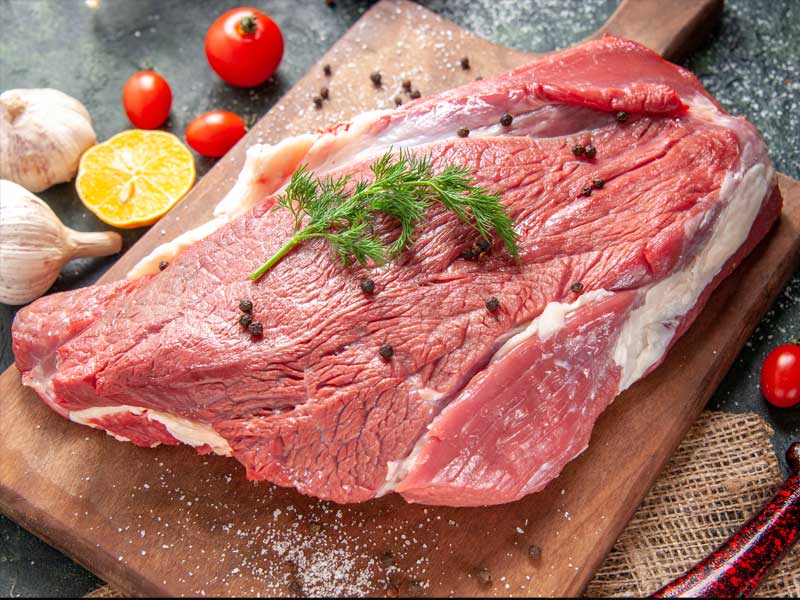
Due to its nature, red meat is a highly perishable, high-risk food group. Premium meat varieties obtained from livestock raised under veterinarian supervision in Turkey's most fertile pastures like Afyon, Balıkesir, and Sakarya must be subjected to strict temperature control from the very moment of slaughter. The cold chain is the golden rule that ensures these meats reach professional kitchens without losing their freshness and nutritional value.
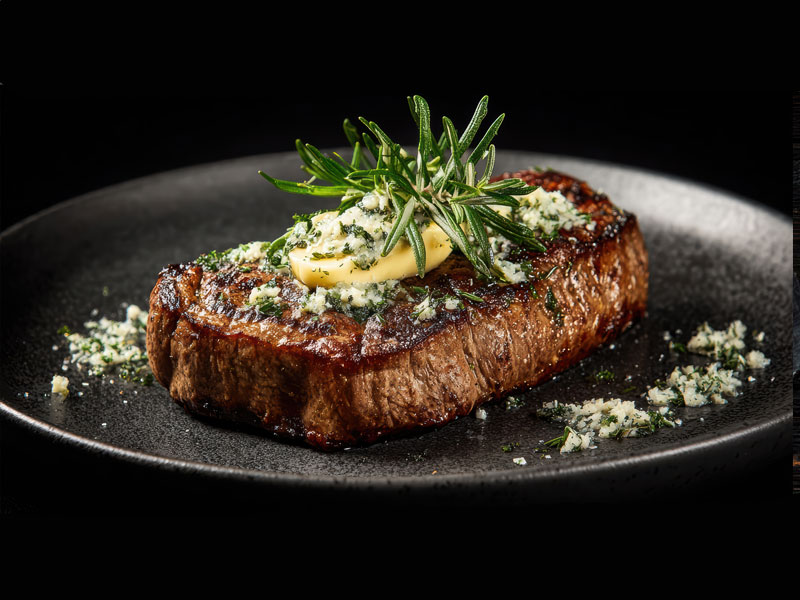
During the transfer of fresh carcasses or primal cuts, the temperature must be kept constant below +4°C, and for frozen products, the -18°C standard must be maintained. Any instant fluctuation in temperature can lead to bacterial growth in the meat and cause the meat's cell structure to deteriorate, resulting in loss of moisture and flavor. Especially for well-marbled ribeye products with an exquisite marbled fat texture featured on the menus of premium restaurants, temperature management directly affects the perception of flavor. The preservation of the fat tissue's form and its ability to release that unique aroma during cooking is only possible through flawless cold chain logistics.
2. The Role of Logistics in Wholesale Special Meat and Ageing Processes
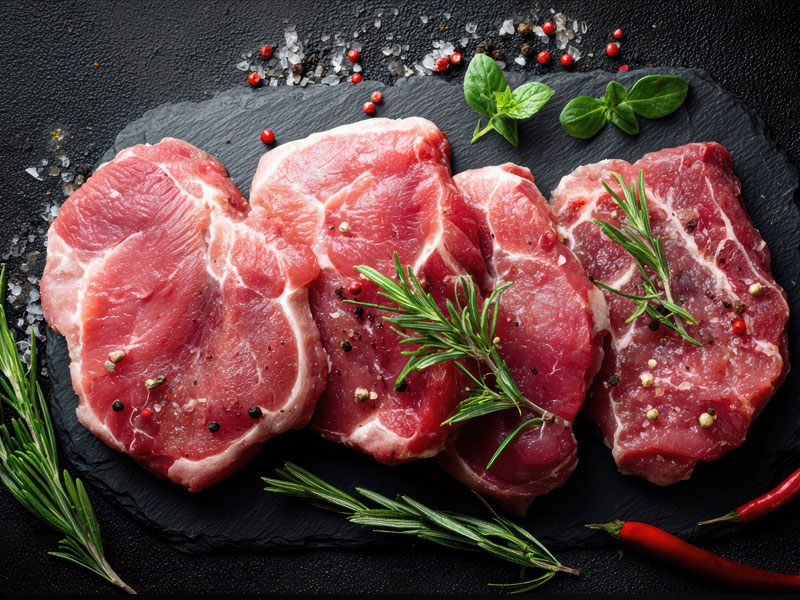
One of the most important trends in modern gastronomy is the wholesale special meat products requested by chefs tailored specifically to their own menus. Aging cuts such as Dallas steak, t-bone, striploin, or ribeye before they enter the kitchen is critical for the tenderness and aroma of the meat. However, supplying wholesale aged meat requires much higher logistical expertise than standard fresh meat logistics.
Meats undergoing dry aging or wet aging processes are extremely sensitive to external factors. These wholesale special meat varieties, emerging from special rooms where humidity, air circulation, and temperature are calculated millimetrically, must be transported in refrigerated vehicles with the exact same sensitivity. The slightest mishap in the logistics process can cause weeks of labor and high-cost premium meats to go to waste. Therefore, it is of vital importance that the wholesale supplier with whom restaurants and gourmet butchers partner possesses an advanced logistics infrastructure and traceable fleet management systems.
3. Safety in Charcuterie and Niche Products: Wholesale Dried Meat Shipment
Another product group whose demand has increased rapidly in fine dining menus and gourmet charcuteries in recent years, combining traditional and modern flavors, is wholesale dried meat. Although dried meats are moisture-reduced products, they carry a risk of molding or microbiological spoilage if the moisture balance is disturbed during storage and transportation.
The most critical factor in wholesale dried meat logistics is the packaging quality of the products and the relative humidity of the transportation environment. These premium products, prepared in vacuum or modified atmosphere packaging, must be shipped in a way that prevents crushing and air exposure using correct stacking techniques. In this journey extending from the appetizers of restaurants to charcuterie platters, preserving the product's characteristic smoky or spicy aroma can only be guaranteed by a hygienic and isolated transfer process.
4. The Importance of Timing and Distribution Network for Professional Kitchens
One of the largest cost items and operational risks in kitchen management is inventory management. Restaurants do not want to stock excessive amounts of red meat in their cold storage rooms to ensure the products remain fresh. Instead, they prefer to adopt the "Just in Time" supply model and place wholesale meat orders according to their daily or weekly needs.
It is an unacceptable scenario for giant kitchens serving in regions where the heart of gastronomy beats, such as Marmara, the Aegean, and the Mediterranean, to experience delays in meat supply before busy Friday or Saturday services. A strong logistics network ensures the continuity of supply for professional kitchens. Ordered wholesale meat products must be delivered to the kitchen door at the exact promised hour, whether in portioned or carcass form, according to the cutting standards requested by the chefs. Accurate timing optimizes labor planning in the kitchen while paving the way for serving customers products that are always of the same freshness.
5. From Sustainable Farms to the Kitchens of the Future
Today, consumers, and consequently elite restaurants, pay attention not only to the flavor of the meat but also to the carbon footprint it leaves until it reaches the plate. The concept of reliable meat obtained from farms operated with sustainable livestock policies makes it mandatory to optimize logistics processes as well.
Correct planning of logistics routes, maximizing vehicle fill rates, and utilizing modern fleets that minimize carbon emissions constitute the final link in the sustainability chain. Businesses that adopt eco-friendly, environmentally conscious production and distribution models both fulfill their corporate social responsibilities and directly contribute to the "sustainable gastronomy" vision of luxury restaurants.
In conclusion; when choosing a wholesale meat supplier for your hotel, restaurant, or butcher shop, you should pay attention not only to the quality of the meat but also to the conditions and logistical strength under which that meat is delivered to your kitchen. As ALP-ET, with our experience spanning from 1995 to the present, we deliver the highest quality meat and premium meat varieties, produced under veterinarian supervision on our Afyon, Balıkesir, and Sakarya farms, right to your door via our professional distribution network and flawless cold chain logistics across the Marmara, Aegean, and Mediterranean regions. With our well-marbled ribeye, wholesale special meat, and wholesale dried meat varieties confidently plated by our chefs, we always keep the flavor and reliability standards of your business at the highest level.