
 Turkish

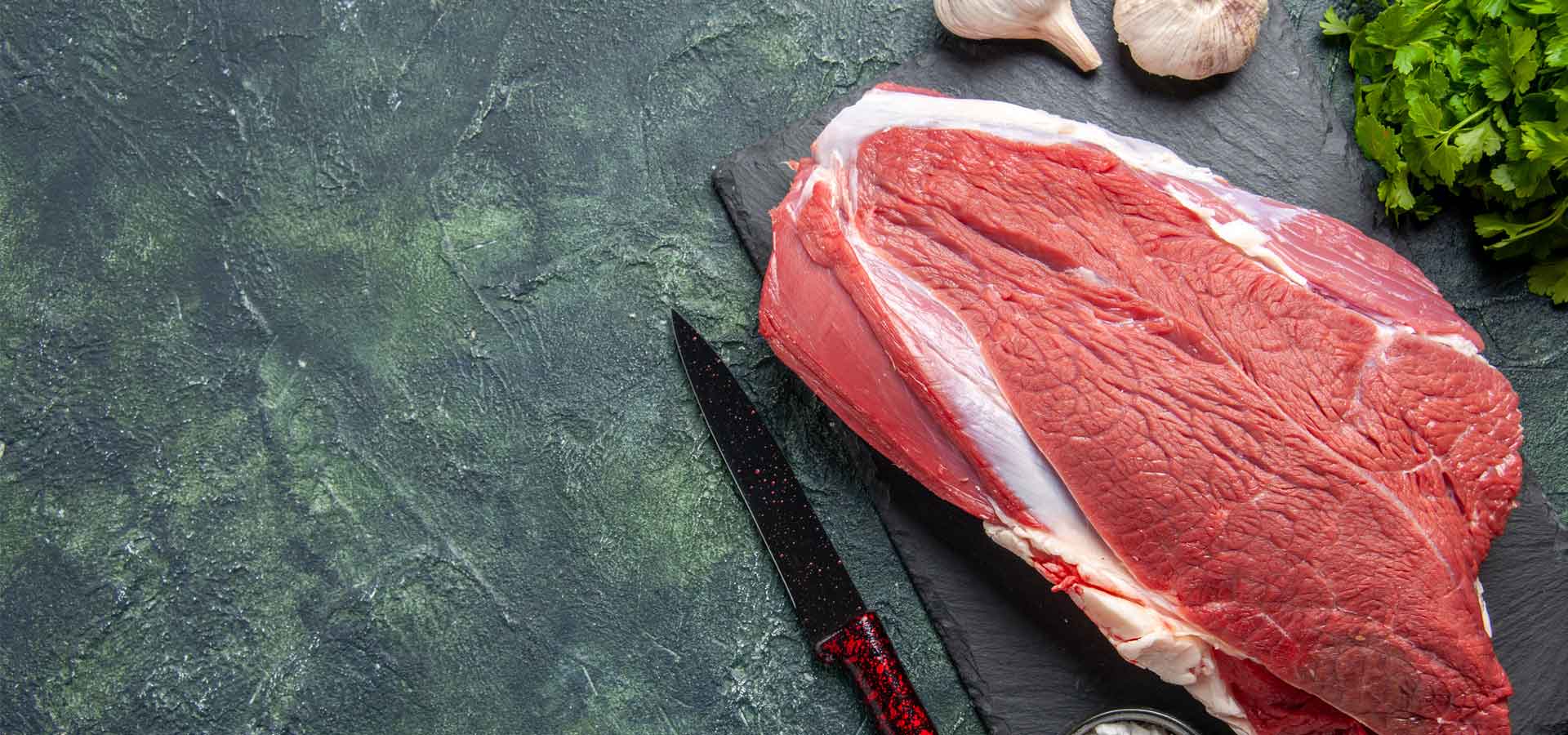
Yield Rate in Wholesale Meat Purchasing: A Guide to Calculating the Real Cost of Meat for Businesses
For restaurants, hotels, steakhouses, butcher shops and professional kitchens, purchasing meat is not simply a matter of comparing prices per kilogram. Two meat products with similar purchase prices can create significantly different costs for a business depending on their usable yield, trimming requirements, cutting standards, portion efficiency and cooking loss.
This is why yield rate in wholesale meat purchasing has become an important consideration for professional food businesses.
A lower purchase price does not necessarily mean a lower operating cost. If a product generates more trimming waste or produces fewer usable portions, its actual cost can be considerably higher.
For professional kitchens, the more important question is therefore not simply:
"How much does this meat cost per kilogram?"
but:
"What is the actual cost of the usable meat I can serve to my customers?"
ALP-ET positions its business around quality, reliability, customer satisfaction and professional supply, with operations dating back to 1995 and logistics serving the Marmara, Aegean and Mediterranean regions.
Why Kilogram Price Alone Is Not Enough
The kilogram price is naturally one of the first figures considered by a purchasing department. However, it does not tell the complete story.
Imagine a restaurant purchasing 10 kilograms of meat. After trimming, preparation and removing unusable portions, the kitchen may have only 8 kilograms of usable product.
The yield would therefore be:
8 / 10 × 100 = 80%
This percentage provides a much clearer picture of the actual value of the purchase.
Now imagine another product with a higher purchase price but a significantly better usable yield. Although the second product appears more expensive on the invoice, it may generate a lower cost per usable kilogram and provide more consistent portions.
This is why professional businesses should evaluate cost per usable kilogram, not simply cost per purchased kilogram.
What Is Meat Yield?
Meat yield refers to the percentage of a purchased product that remains usable after preparation.
The final yield can be influenced by several factors, including:- Trimming
- Fat removal
- Connective tissue
- Bone weight
- Cutting losses
- Portioning
- Cooking loss
- Storage-related waste
Yield analysis allows restaurants and other professional kitchens to compare products based on their actual operational value rather than their initial purchase price.
This becomes especially important when large quantities of meat are purchased every week.
Where Does Waste Occur in Wholesale Meat?
Waste can occur at multiple stages of the process.
During preparation, excess fat, connective tissue and other unwanted parts may need to be removed. Products containing bones naturally have a different usable yield compared with boneless cuts.
Additional losses can occur during portioning and cooking.
For example, a steakhouse may purchase a premium cut but serve portions that vary significantly in weight. Even small differences can become substantial over hundreds or thousands of portions.
Therefore, businesses should consider the entire process:
Purchasing → preparation → portioning → cooking → serving
rather than looking only at the purchase invoice.
Cutting Standards Have a Direct Impact on Cost
Consistency is one of the most important characteristics of professional food production.
If one portion is prepared at 250 grams and another at 350 grams, the difference may seem insignificant on an individual plate. However, across hundreds of meals, inconsistent portion sizes can create a considerable increase in food costs.
For this reason, businesses purchasing wholesale meat should evaluate:
- Cutting standards
- Average product weight
- Fat distribution
- Bone-to-meat ratio
- Portion suitability
- Packaging
- Delivery conditions
- Supply continuit
ALP-ET's existing content also emphasizes cutting standardization as an important factor for portion control, cost management and consistent quality in professional kitchens.
Valuable Meat Is Not Necessarily the Cheapest Meat
The concept of valuable meat should not simply be associated with a high price.
For a professional business, value is created when product quality, usability, consistency and supply reliability come together.
A steakhouse may choose a premium ribeye or another specialty cut because it provides the quality and cooking characteristics expected by its customers.
In this situation, the purchase price is only one part of the decision.
The real value should be evaluated through:
Quality + usable yield + portion efficiency + cooking performance + supply continuity
This approach provides a much more realistic understanding of the value of wholesale meat.
Why Yield Matters for Premium Cuts Such as Marbled Ribeye
Premium products require an even greater focus on consistency.
Cuts such as marbled ribeye, specialty steaks and aged meat are often used by restaurants that have higher expectations regarding appearance, tenderness, cooking performance and customer experience.
ALP-ET highlights marbled ribeye and other premium beef products within its product range and professional food-service positioning.
When purchasing premium meat, choosing the lowest price is not necessarily the best purchasing strategy.
A cheaper product may create higher trimming losses, inconsistent portions or unpredictable cooking results.
For premium menus, predictable yield and consistent product standards are therefore important purchasing criteria.
Questions to Ask a Wholesale Meat Supplier
A professional restaurant should not request only a price list when evaluating a new supplier.
It should also ask detailed questions about the product and supply process.
For example:
- What cutting standard is used?
- What is the average product weight?
- Is the product available boneless or bone-in?
- What is the expected fat ratio?
- Is the product suitable for portioning?
- How is the product packaged?
- How is the cold chain maintained?
- What are the delivery conditions?
- Can supply be maintained consistently?
- Can customized cuts be produced?
- Are special product specifications available?
These questions help businesses understand the long-term operational value of a supplier rather than focusing only on today's purchase price.
Supply Reliability Is Also Part of Cost
A high-quality product that cannot be supplied consistently can create operational problems.
Restaurants that build their menus around specific meat cuts need predictable supply. A product shortage can force menu changes, substitutions or temporary removal of popular dishes.
For this reason, a reliable meat supplier should be evaluated not only on product quality but also on logistics, production capacity and supply continuity.
ALP-ET states that it has been active in the industry since 1995 and provides service across the Marmara, Aegean and Mediterranean regions through its logistics infrastructure.
Cooking Loss Should Also Be Included
Yield analysis does not end after preparation.
Meat naturally loses some of its weight during cooking. Cooking temperature, cooking method, thickness and desired doneness can all influence the final serving weight.
This means that professional kitchens should consider the complete cost chain.
A useful calculation should therefore examine:
Purchase weight → prepared weight → portion weight → cooked weight → served portion
This provides a much more realistic picture of the final food cost.
It is particularly important for steakhouses and restaurants where premium beef cuts represent a significant part of the menu.
The Right Meat Selection Starts With Purchasing
Successful meat management in a professional kitchen does not begin when the chef receives the product.
It starts with purchasing.
The purchasing department must understand what the kitchen actually needs, which cuts are appropriate, what portion sizes are required and what level of consistency the menu demands.
The right supplier can help businesses obtain products according to predefined standards and reduce uncertainty throughout the purchasing process.
Whether the requirement is wholesale specialty meat, aged meat, marbled ribeye, beef cuts or lamb products, defining specifications before purchasing can make the entire operation more predictable.
Conclusion: Real Cost Is More Than the Price Per Kilogram
The real cost of wholesale meat cannot be determined by kilogram price alone.
Businesses should evaluate purchase price together with usable yield, trimming loss, portion consistency, cooking loss, product quality and supply continuity.
For restaurants, hotels, steakhouses, butcher shops and professional kitchens, the goal should not simply be to find the cheapest meat.
The goal should be to find the right product with predictable quality and sustainable value.
When high-quality meat, appropriate cutting standards and reliable supply come together, professional kitchens can control their operations more effectively and provide customers with a more consistent dining experience.
ALP-ET's stated values include quality, reliability, customer satisfaction, sustainability and innovation, creating a positioning that fits the needs of businesses looking for consistent wholesale meat supply.