
 Turkish

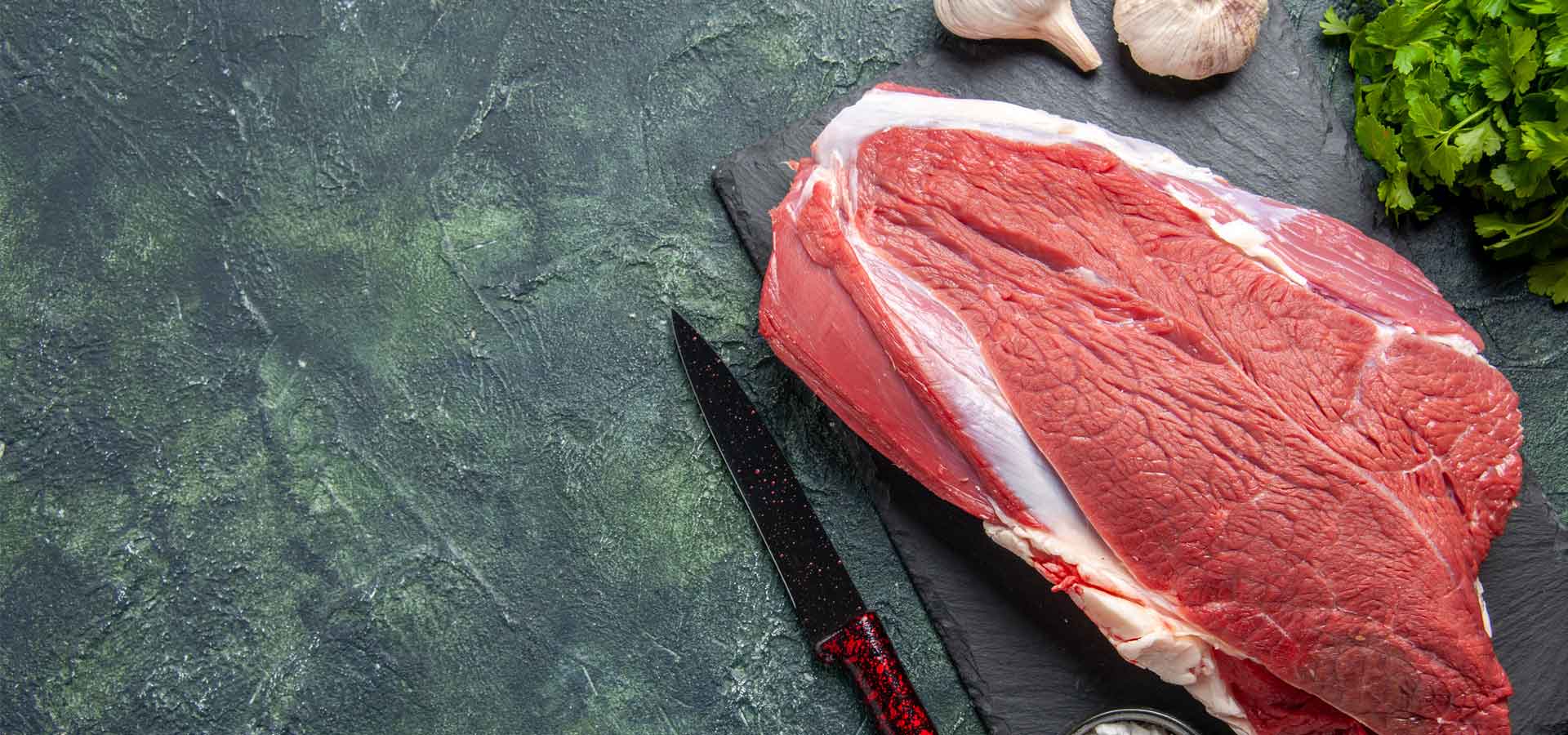
What Determines the Quality and Flavor of Beef? Breed, Feeding, Cutting and Aging
When it comes to premium beef, flavor is not determined by the cut alone. Two products obtained from the same type of animal can deliver completely different results depending on factors such as breed, feeding conditions, age, fat distribution, cutting process and the aging method applied after processing.
These factors become even more important in restaurants, hotels, steakhouses and professional kitchens. A professional kitchen does not simply need a high-quality product. It needs consistent cooking performance, predictable texture, balanced flavor and reliable product standards across every service.
For this reason, choosing quality meat should not be based solely on appearance or purchase price. The entire production and supply process should be considered.
Meat Quality Begins with the Animal
The characteristics of beef begin to develop long before the animal becomes a carcass. Breed, age, feeding conditions and overall production practices can all influence the final characteristics of the meat.
Some breeds naturally develop different muscle structures, while others may provide more balanced fat distribution. In premium steak and specialty meat products, the distribution of fat within the muscle can be an important quality characteristic.
It is not simply the amount of fat that matters. Where the fat is distributed and how it interacts with the muscle can have a significant impact on flavor, tenderness and cooking performance.
When properly cooked, beef with balanced fat distribution can provide a richer aroma, a more pleasant texture and a longer-lasting flavor experience.
Therefore, when purchasing wholesale specialty meat, professional kitchens should look beyond the name of the cut and consider the actual characteristics of the product and whether they match the intended culinary application.
How Does Feeding Affect Meat Quality?
Animal nutrition is another major factor influencing meat quality. Feeding practices can affect growth, muscle development and fat formation, which can ultimately influence the physical and sensory characteristics of beef.
For professional kitchens, evaluating meat solely according to its price per kilogram can therefore be misleading.
Two products may have similar purchase prices but produce very different results in terms of cooking loss, portion yield, tenderness and overall flavor.
From a restaurant's perspective, the real cost of meat is not simply its purchase price.
A professional kitchen should consider:
- Portion yield,
- Cooking loss,
- Usable meat quantity,
- Ease of portioning,
- Cooking performance,
- Flavor consistency,
This approach turns wholesale meat purchasing from a simple procurement process into an important part of the restaurant's overall quality strategy.
Why Do Age and Muscle Structure Matter?
The age of the animal can also influence the texture and cooking behavior of beef. As muscle and connective tissue characteristics change with age, meat from different age groups may respond differently to various cooking methods.
For premium steaks and specialty cuts, the goal is not simply intense beef flavor. Professional kitchens also seek meat that can be cut easily, provides a pleasant mouthfeel and maintains a desirable texture after cooking.
This is where proper processing and controlled aging become particularly important.
How Does Aging Influence Beef?
The period following slaughter and cutting plays an important role in determining the final characteristics of beef.
During controlled aging, natural biochemical processes take place within the meat. When these processes are properly managed, they can contribute to improved tenderness and a more developed flavor profile.
This is especially relevant for wholesale aged meat supplied to premium restaurants, hotels and professional kitchens.
However, quality aging is not simply a matter of aging meat for as long as possible. Applying the same aging period to every product is not necessarily the correct approach.
The cut, size, fat content, intended culinary application and desired flavor profile should all be considered.
For this reason, professional meat supply should focus on purpose-driven aging rather than applying one standard aging period to every product.
Why Is Consistency Important for Specialty Cuts?
Expectations are higher when customers order premium meat products. For example, products such as Çıralı Antrikot are positioned as specialty products, which means customers naturally expect a consistent experience every time they order them.
When a restaurant serves a specific premium beef cut on a regular basis, important characteristics should remain as consistent as possible, including:
- Cut dimensions,
- Portion weight,
- Fat distribution,
- Serving size,
- Cooking performance.
Consistency helps professional kitchens maintain operational efficiency while also supporting a more predictable customer experience.
Therefore, with premium specialty meat, quality is not only about the product itself. It is also about the ability to reproduce the same quality standard from one service to another.
Why Does Transparency Matter in Reliable Meat Supply?
Another critical consideration for professional kitchens is the reliability of the supply chain.
Knowing the origin of the product, maintaining controlled processing standards, ensuring appropriate storage conditions and providing accurate product information are all important parts of professional meat procurement.
For restaurants and hotels operating at high volumes, working with a reliable meat supplier can support not only product quality but also operational continuity.
A product being high quality today is important, but maintaining that same standard across future deliveries is equally important.
For this reason, when selecting a reliable meat supplier, professional kitchens should evaluate more than price. Product consistency, supply continuity, product information and professional communication should also be considered.
The Real Value of Meat Is More Than Its Purchase Price
Focusing only on the price per kilogram can lead to an incomplete purchasing decision.
A lower-priced product may have higher cooking loss, excessive fat or greater trimming waste. As a result, its actual cost per usable portion may become higher than expected.
Conversely, a higher-priced but consistent premium product may deliver better yield, more predictable cooking performance and greater customer satisfaction.
This is why professional kitchens should evaluate:
Purchase price + yield + cooking loss + portion consistency + flavor + customer satisfaction
as a complete equation.
This approach is particularly valuable when sourcing wholesale specialty meat and premium beef products.
How Should Professional Kitchens Choose the Right Beef?
There is no single criterion that defines the right meat for every kitchen. The restaurant's menu, cooking methods, customer expectations and service volume should all be considered.
The requirements of a steakhouse may be very different from those of a large hotel kitchen or a high-volume restaurant.
Professional meat procurement should therefore begin with a few fundamental questions:
What menu item will the product be used for?
Which cooking technique will be applied?
What portion size is required?
What texture and fat characteristics are expected?
Can the product be supplied consistently to the same standard?
Once these questions are answered, selecting the right product becomes much more straightforward.
Conclusion: Quality Meat Is the Result of a Complete Process
High-quality beef is not created at the butcher counter or in the kitchen alone. It is the result of a complete process that begins with animal production and feeding and continues through slaughter, processing, aging, storage and professional distribution.
For this reason, businesses looking for quality meat, premium specialty meat or wholesale beef should evaluate not only the appearance of the product but also the standards behind it.
For restaurants, hotels and professional kitchens, the right supplier should be more than a company that delivers meat. It should be a reliable business partner that understands the requirements of professional kitchens, maintains consistent product standards and provides a dependable supply process.
At ALP-ET, providing professional kitchens with quality-focused meat products and reliable supply solutions is an important part of supporting restaurants and hospitality businesses in achieving consistent culinary results.
Because behind every successful menu there is not only a great recipe, but also the right meat, selected carefully and supplied to the right standard.