
 Turkish

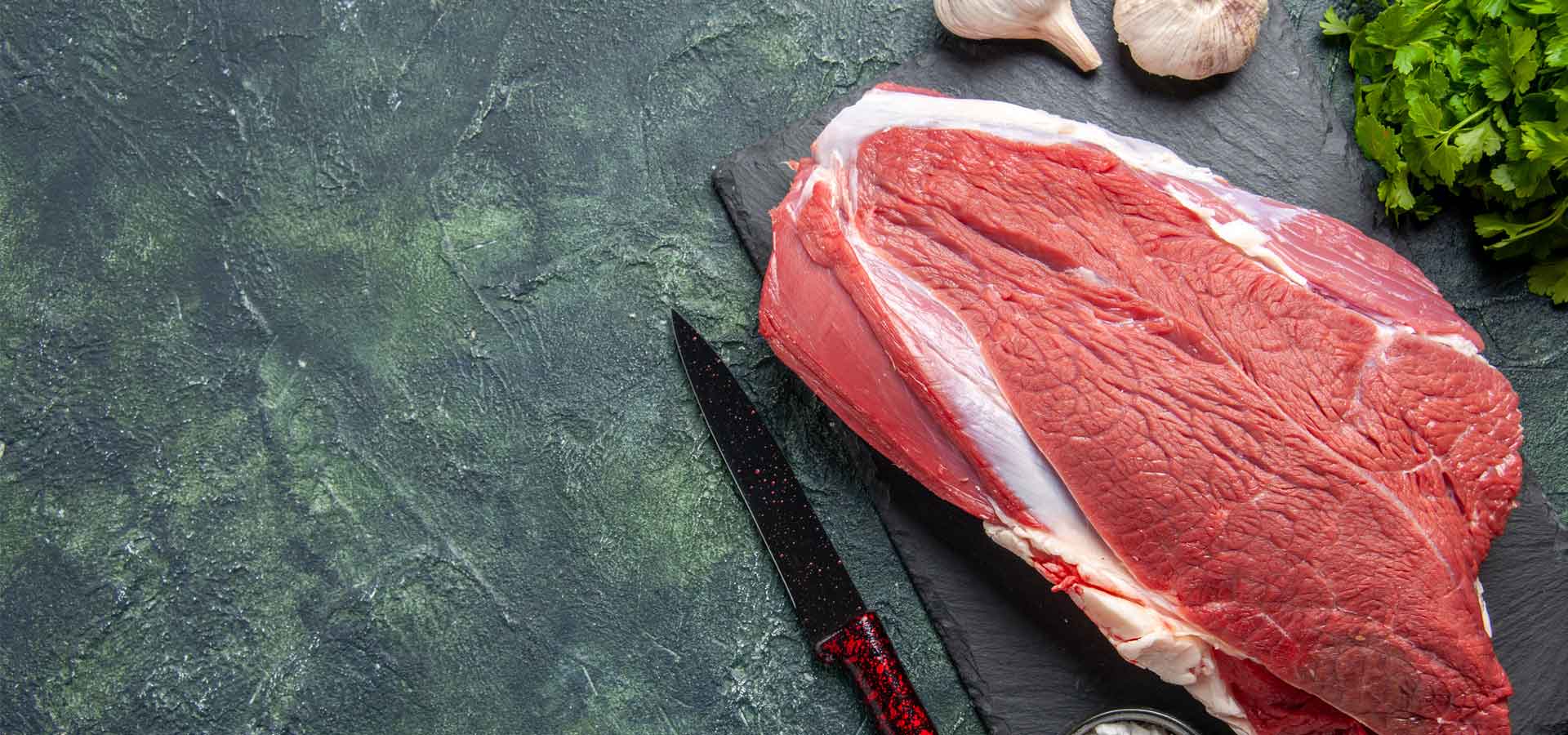
The Foundation of Culinary Excellence: Sustainable Quality and Reliable Meat Supply for Professional Kitchens
In today's culinary world, the long-term success of a restaurant or gourmet butcher depends on delivering consistently outstanding flavors. Regardless of a chef's expertise, exceptional dishes cannot be created without high-quality ingredients. This is especially true for businesses specializing in red meat, grill restaurants, and steakhouse concepts. A great meat dish begins not in the kitchen, but in the pasture and throughout a well-managed supply chain. Modern consumers pay attention not only to flavor but also to the origin of the food they consume. Therefore, the top priority for professional kitchens is partnering with reliable meat suppliers capable of maintaining the same high standards every day.
Why Should Professional Kitchens Choose Premium Meat?
Not every cut of red meat delivers the same culinary experience. The region where the animal is raised, its feeding practices, genetics, and post-slaughter processing all determine the quality of the meat. Businesses aiming for culinary excellence increasingly prefer premium meat instead of standard carcasses. Premium meat distinguishes itself through superior muscle structure, balanced marbling, and exceptional tenderness.
One of the most important characteristics that preserves juiciness and enhances flavor is the evenly distributed marbling between muscle fibers. Among the most sought-after cuts in professional kitchens and gourmet restaurants is the marbled ribeye steak, a perfect example of outstanding marbling. Sourced from properly raised cattle, this premium cut melts its internal fat during cooking, creating remarkable tenderness and a rich, aromatic flavor. For restaurants aiming to provide an exceptional steak experience, premium products like these are among the most effective ways to build customer loyalty.
Time and Cost Management in Professional Kitchens: Wholesale Premium Meat and Custom Cutting Solutions
In large-scale kitchens, hotels, and restaurant chains, operational efficiency is just as important as flavor. Spending hours every day trimming meat, removing bones, and portioning products results in significant labor and time losses. In addition, inconsistent cutting standards increase waste, leading to higher operational costs.
To overcome these challenges, businesses require wholesale premium meat services tailored to their own specifications. Receiving products such as Dallas steak, T-bone, striploin, or brisket cleaned, portioned, and ready for use dramatically speeds up kitchen operations. Chefs can focus on cooking techniques and presentation instead of meat preparation. A professional wholesale meat supplier develops customized solutions based on each restaurant's menu, minimizing waste while enabling precise cost control in the kitchen.
The Peak of Flavor: Wholesale Aged Meat and Dry Aging Technology
Beyond the quality of the meat itself, the aging process after slaughter has a direct impact on flavor. Freshly slaughtered meat has a firmer texture and requires proper aging to develop its full tenderness and taste. In recent years, the dry-aging process has become a hallmark of premium gastronomy, allowing natural enzymes to break down connective tissue and enhance both texture and flavor.
Establishing and managing dry-aging facilities in-house is both costly and technically demanding for large-scale businesses. Even slight variations in temperature or humidity can compromise product quality. Restaurants seeking to reduce this risk while offering premium menu items increasingly choose wholesale aged meat that has been professionally matured under ideal conditions. Aged for 21 to 28 days in carefully controlled environments with optimized humidity and airflow, wholesale dry-aged meat develops a deeper, more concentrated flavor while achieving an exceptionally tender texture with distinctive nutty notes.
Sustainability and Reliability Throughout the Supply Chain
The secret to maintaining consistency on a restaurant's menu lies in the reliability of its supplier. Receiving outstanding meat one week and inconsistent quality the next damages a restaurant's reputation. Therefore, quality meat means more than delivering an excellent product once—it means maintaining the same high standard every day of the year.
Meat sourced from naturally raised livestock on fertile pastures under the supervision of experienced veterinarians forms the foundation of sustainable quality. Products should be processed in modern, hygienic facilities fully compliant with food safety standards such as HACCP and Halal Certification, while preserving the cold chain throughout delivery. Partnering with a professional wholesale meat producer that possesses a strong logistics infrastructure eliminates uncertainty in the kitchen, allowing chefs to work with complete confidence.
Ultimately, selecting the right meat is a critical business decision for restaurants seeking to stand out in the competitive food industry. From premium marbled ribeye and dry-aged specialties to custom-portioned wholesale products and whole lamb carcasses, choosing the right products is the first step toward creating unforgettable dining experiences. With premium raw materials, expert processing techniques, and a trusted supply partner, your kitchen can achieve the highest standards of culinary excellence.