
 Turkish

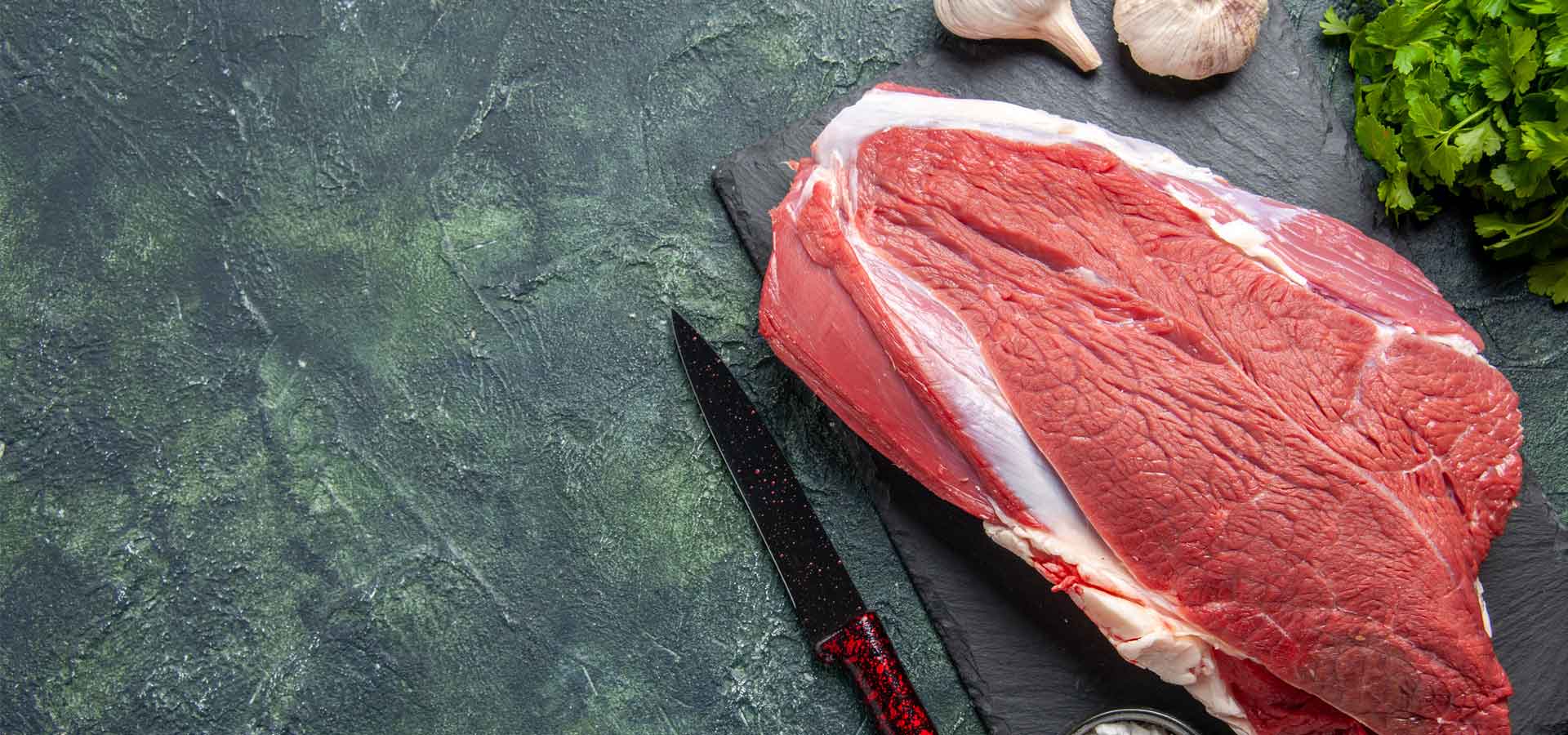
The Importance of Traceability and Food Safety in Meat Supply
Today, reliability is just as important as quality when it comes to meat products for restaurants, hotels, catering companies, and professional kitchens. Increasing consumer awareness, higher food safety standards, and growing competition in the industry are pushing businesses not only to supply high-quality products but also to present the origin of their products and the entire production process with complete transparency.
At this point, traceability has become one of the most important elements of the modern meat industry. Especially for premium products classified as valuable meat, recording the entire journey of the product from farm to table provides significant advantages for both businesses and end consumers.
What Is Traceability?
Traceability is the process of recording every stage a product passes through from production to the end consumer and being able to track those stages retrospectively whenever necessary.
Thanks to traceability systems in the meat industry;
- The farm where the animal was raised
- Feeding processes
- Veterinary inspections
- Slaughter date
- Processing stages
- Storage and logistics operations
can all be monitored as critical information.
This allows professional kitchens to clearly identify the source of the products they use and provide a more reliable experience for their customers.
Why Is Food Safety So Important?
Red meat is one of the most widely consumed sources of protein in the world due to its high nutritional value. However, improper production, storage, or transportation conditions can directly affect both product quality and human health.
For this reason, a reliable meat supply is not only a commercial necessity but also an important responsibility.
Food safety practices:
- Reduce microbiological risks
- Help preserve product quality
- Support compliance with legal standards
- Increase brand credibility
- Improve customer satisfaction
Especially for restaurants and hotels, the reliability of the meat products they use is just as important as their quality and is one of the factors that directly impacts brand reputation.
Choosing the Right Supplier for Professional Kitchens
One of the key requirements for achieving sustainable quality in professional kitchens is working with the right supplier. Even the finest recipe cannot deliver the expected results when low-quality ingredients are used.
The main criteria to consider when selecting a wholesale meat supplier are as follows:
- Quality Standards
The supplier's production and storage processes must comply with established quality standards. Regular quality controls and hygiene practices form the foundation of product safety.
- Cold Chain Management
Temperature control is critical for meat products. Products must be maintained at appropriate temperatures from slaughter to delivery. Any disruption in the cold chain can negatively affect product quality.
- Transparent Production Processes
Today, professional businesses care not only about product quality but also about its origin. Transparent production processes are among the fundamental elements of trustworthy business partnerships.
- Consistent and Reliable Supply
Product continuity is especially important for restaurants and hotels with high-volume operations. A reliable supplier should be able to provide products consistently throughout the year while maintaining the same quality standards.
Traceability in Premium and Valuable Meat Products
Premium and valuable meat products come with higher quality expectations than standard products. For this reason, every detail of the production process matters.
The conditions in which the animals are raised, feeding programs, aging processes, and logistics operations directly affect product quality.
Process management is particularly important for products that undergo dry-aging and aging techniques. The controlled processes applied to wholesale dry-aged meat and wholesale aged meat products are among the key factors that determine the flavor profile and texture of the meat.
For this reason, businesses operating in the premium meat segment prefer to work with suppliers that have strong traceability systems.
The Role of Technology in the Meat Supply Chain
Digitalization has brought significant changes to the meat industry as well. Today, many producers and suppliers track product movements through digital systems.
Thanks to these systems;
- Product entries and exits can be recorded
- Batch-level tracking can be performed
- Storage conditions can be monitored
- Quality control processes can be reported
- Potential risks can be identified quickly.
This approach not only improves operational efficiency but also helps provide customers with a more reliable service experience.
Maintaining Consistent Quality for Restaurants
The success of a restaurant does not depend solely on a skilled chef or a strong menu. It is equally important that the ingredients used deliver the same level of quality with every order.
Customers want to experience the same flavor they enjoyed today when they return in the future. For this reason, maintaining sustainable quality is a critical success factor for restaurants.
High-quality meat products, proper aging processes, and a reliable supply chain help businesses maintain consistency across their menus.
Maintaining quality standards in ribeye, tenderloin, striploin, and other premium cuts directly impacts customer satisfaction.
Trust and Transparency in the Future of the Meat Industry
Trust and transparency will become even more important in the future of the food industry. Consumers no longer want to purchase only a product; they also want to know its story, origin, and production process.
For this reason, it is essential for companies operating in the meat industry to invest in traceability systems, continuously improve quality standards, and provide transparent information to their customers.
Companies that embrace the concept of valuable meat, focus on producing high-quality meat, and prioritize reliable meat supply will hold a strong position in the future of the industry.
Choosing the right meat supplier for professional kitchens means more than simply purchasing products; it means establishing a strategic partnership built on quality, reliability, and sustainable success. Therefore, traceability and food safety standards should always be among the primary evaluation criteria when sourcing wholesale specialty meat, wholesale aged meat, and premium red meat products.